
Introduction
In Part 1 of “Are Some Carbs Better Than Others”, I explained that Glycemic Index (GI) is a way to rate carbohydrates based on how easily they raise blood sugar. Low GI foods (those with a value of 55 or less) are more slowly digested, absorbed and metabolized and cause a lower and slower rise in blood glucose levels. Very high GI foods (>70) are digested very rapidly, causing a large spike in blood sugar. High GI foods (>55) result in a fairly rapid rise in blood sugar.
The GI value of a food is determined by comparing how healthy people’s blood sugar responds over a two-hour period to a food containing 50 grams of digestible carbohydrate from that food compared to 50 grams of glucose (pure sugar). The drawback to this rating scale is that the values are only known for a serving that has 50 grams of carbs in it. That is, they compare the ability of different foods containing the SAME amount of carbohydrate (50 g) to raise blood sugar.
The problem with the Glycemic Index is that it’s hard to compare foods because one serving of a food may have considerably less than 50 g of carbs in it. For example, the Glycemic Index of watermelon is 76, which is as high as the Glycemic Index of a doughnut, but one serving of watermelon (1/2 a cup) has 11 g of carbohydrate in it, while a medium doughnut (one serving) has 23 g of carbs.
Glycemic Load
This is where the concept of Glycemic Load (GL) is much more helpful, because it tells us how a healthy person’s body will respond to the carbs in one serving of a food.
How to Determine Glycemic Load
To determine the Glycemic Load (GL) of a serving of a food, what needs to be known is:
The Glycemic Index (GI) of that food (found by referring to a table of Glycemic Indexes)
The number of grams of carbohydrate in the quantity of food considered to be one serving.
- GL = GI x (amount of carbohydrate per serving) / 100
For purposes of comparison, let’s look at the Glycemic Load of the same foods we looked at the Glycemic Index for in the first article.
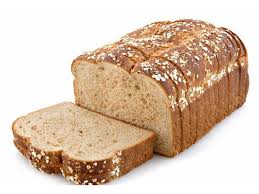 One slice of white bread has a Glycemic Load of 10, and so does one slice of whole wheat bread, which is considered low. Both have 15 g of carbs per slice.
 One 1 cup of cooked white spaghetti has a Glycemic Load of 25, which is considered very high and while 1 cup of whole grain spaghetti only has a Glycemic Load of 14, this is still not low, just lower than white spaghetti.
 A cup of boiled white rice has 53 g of carbs in it and has a very high Glycemic Load = 35. A cup of white spaghetti has 44 g of carbs in it and also has a very high Glycemic Load at 25. These foods are high in carbohydrates and will cause a rapid rise in blood sugar in healthy people. To those who are already Diabetic or pre-diabetic, this is a big problem.
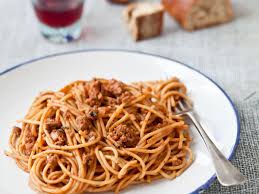 One cup of cooked whole grain spaghetti has a Glycemic Load of 14, which is still not low, and has 37 g of carbs in it.
 A cup of boiled brown rice has a Glycemic Load of 20, which is still considered very high, and has 42 g of carbs. These foods are high in carbohydrates and will cause a fairly rapid rise in blood sugar in healthy people, let alone those who are already having problems.
Where is the Problem?
Eating a high Glycemic Load diet over a period of years will result in blood sugar after meals (called “postprandial blood glucose”) being high. This puts a huge demand on the body to keep releasing insulin to try to move all that glucose into the body’s cells and get it out of the blood.
Over time, a high Glycemic Load diet causes the body’s pancreas β-cells (beta cells) to decrease in function or, in many cases, to die – resulting in a diagnosis of type 2 diabetes. As illustrated above, even eating the “whole grain” version of favourite foods does not necessarily reduce the insulin demand on our pancreas.
Our β-cells are under continual pressure to release insulin every time we eat – from our breakfast toast or cereal, to our mid-morning muffin, to our pasta lunch. Eating a lower-carb diet is an effective way to lower the demand on our pancreas to keep producing and releasing insulin to deal with the constant spikes in our blood sugar due to eating carbohydrate-containing foods.
While Glycemic Load will tell us how much a serving of food will increase our blood sugar, it doesn’t tell us how much insulin our body releases as a result of eating a food. That is, GL does not explain how big a demand we are putting on our pancreatic β-cells.
For those who have been eating a high-carbohydrate diet for years or have a family history of type 2 diabetes, it is important to know how much insulin is required to process carb-based food. That way, we can choose to eat foods that put a smaller demand on our pancreatic β-cells.
For those who already have type 2 diabetes, it is especially important to eat in such a way as to preserve whatever β-cell function that is left.
In a future article, I will explain the Insulin Index, which enables us to choose carb-based foods that put less of a demand on our β-cells.
More Info
I can help you learn to choose foods that result in significantly less insulin being released, putting much less demand on your β-cells. If you would like more information, you can learn about me here.
To your good health!
Joy
You can follow me on:
Twitter: https://twitter.com/jyerdile
Facebook: https://www.facebook.com/BetterByDesignNutrition/
Reference
Oregon State University, Linus Pauling Institute, Micronutrient Information Centre, Glycemic Index and Glycemic Load http://lpi.oregonstate.edu/mic/food-beverages/glycemic-index-glycemic-load#glycemic-index
Copyright ©2018 BetterByDesign Nutrition Ltd.
LEGAL NOTICE: The contents of this blog, including text, images and cited statistics as well as all other material contained here (the ”content”) are for information purposes only. The content is not intended to be a substitute for professional advice, medical diagnosis and/or treatment and is not suitable for self-administration without the knowledge of your physician and regular monitoring by your physician. Do not disregard medical advice and always consult your physician with any questions you may have regarding a medical condition or before implementing anything you have read or heard in our content.

I am a Registered Dietitian Nutritionist and the owner of BetterByDesign Nutrition Ltd. With a postgraduate degree in Human Nutrition and a background as a published mental health nutrition researcher, I have been dedicated to supporting my clients’ clinical needs since 2008.
I hold active professional licenses in BC (CHPBC), Alberta (CDA), and Ontario (CDO), allowing me to provide regulated Medical Nutrition Therapy across these provinces. My expertise spans chronic disease management, complex digestive health, and therapeutic diets. I am deeply passionate about helping people reclaim their health, rooted in my firm belief that Nutrition is BetterByDesign©.