
NOTE: This article was originally posted on April 30, 2023, and was updated on July 22, 2026
Can Thyroid Medication Make Blood Sugar Worse?
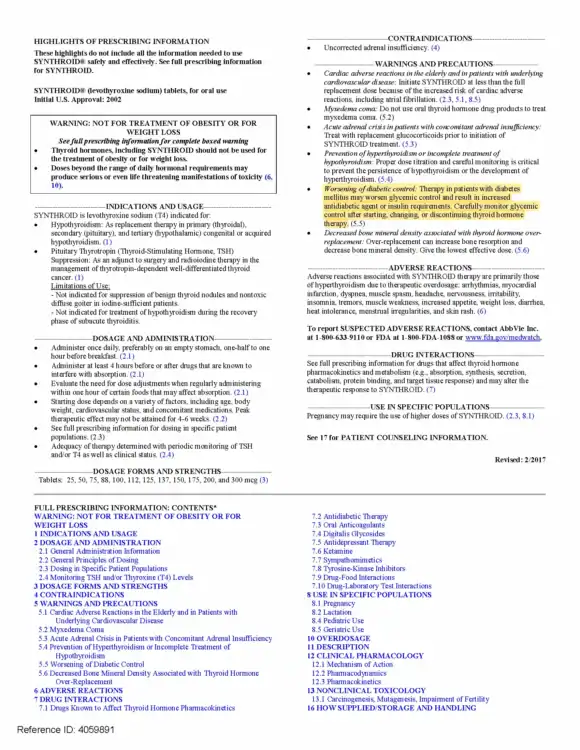
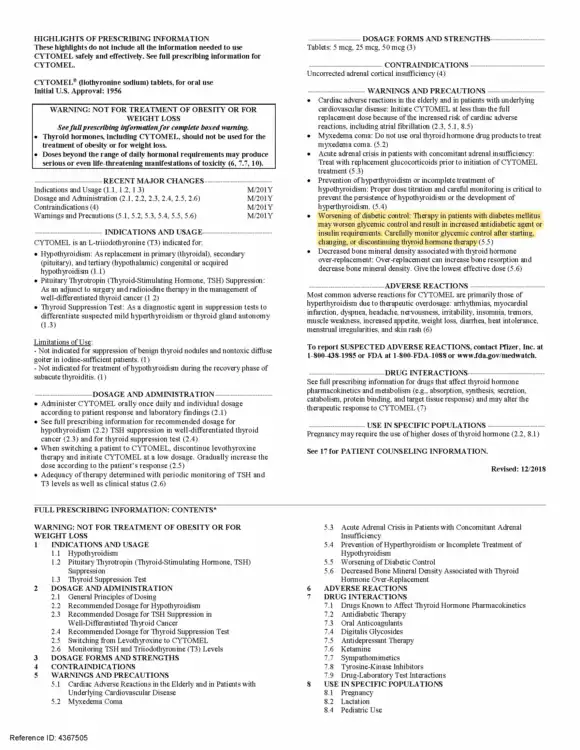
Yes, thyroid medication can result in higher blood sugar in people diagnosed with type 2 diabetes. The highlights of prescribing information sheets available to pharmacists and doctors for medications such as Synthroid® (levothyroxine) and Cytomel® (liothyronine) contain warnings that they can worsen blood sugar controlin people with diabetes and increase the need for diabetes medications, including insulin.
“Both Sides of the Clinical Desk” Perspective
As outlined on the About Me page, I understand this issue “from both sides of the clinical desk”, having been diagnosed with type 2 diabetes in 2011, and with hypothyroidism in 2022.
When I first began taking thyroid medication, I started to feel unwell, similar to how I felt with high blood sugar, before I put symptoms of type 2 diabetes into remission in 2019. I started to test my blood sugar more often and was finding it was routinely spiking as high as the mid-to-high 10 mmol/L (~190 mg/dl) for seemingly no reason.
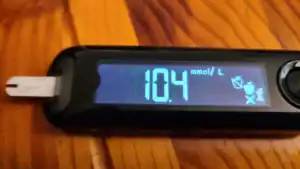
A blood glucose reading showing an unexpected spike after starting thyroid medication
Even though I was diagnosed with type 2 diabetes more than twelve years before I was diagnosed with hypothyroidism, neither my pharmacist nor my doctor mentioned that thyroid medications could increase my blood sugar.
After learning about the connection between thyroid medication and rising blood sugar, I decided to write this article.
What is the Connection Between Thyroid Medication and Blood Sugar?
The “Highlights of Prescribing Information” for both Synthroid® and Cytomel® warn that therapeutic use of these medications in patients with diabetes mellitus may worsen blood sugar (glycemic) control and result in increased insulin requirements. These medication inserts recommend carefully monitoring blood sugar after starting, changing, or discontinuing thyroid hormone therapy.
People diagnosed with any form of diabetes (type 1, type 2, gestational diabetes), as well as those with hypothyroidism, must know that their thyroid medication can impact their blood sugar control. While those with type 1 diabetes monitor their glucose closely, many people with type 2 diabetes rarely check regularly and may miss these significant spikes.
What is the Biological Explanation for how Thyroid Meds Increase Blood Sugar?
A 2022 research paper explained how thyroid hormones contribute to a rise in blood glucose. In the liver, thyroid hormones increase the expression of glucose transporter 2 (GLUT2), leading to increases in both the making of blood glucose (gluconeogenesis) and the breaking down of glycogen to release blood glucose (glycogenolysis) [7].
Additionally, thyroid hormones increase fat breakdown (lipolysis) in adipose tissue (fat cells), which further stimulates liver gluconeogenesis [7].
Natural Desiccated Thyroid (NDT) Warnings
Even products like Armour Thyroid ® or ERFA desiccated thyroid ® contain the same warnings in their product monographs. They state that thyroid hormone therapy in patients with concomitant diabetes mellitus aggravates the intensity of symptoms, requiring appropriate adjustments of therapeutic measures.
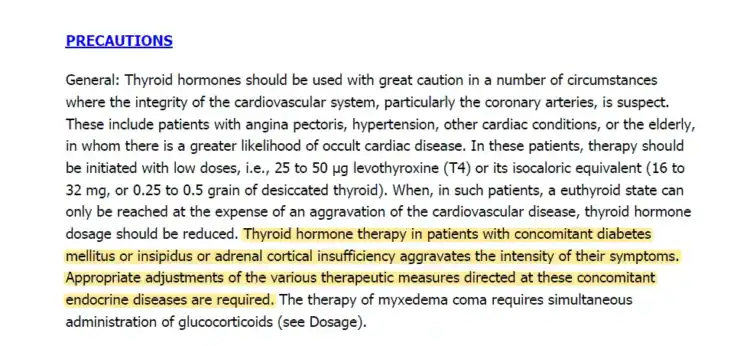
Page 4 of 9 – precautions listed in the Erfa Thyroid product monograph regarding diabetes
Clinical Conclusion
If you have diabetes and have also been diagnosed with hypothyroidism (including Hashimoto’s disease), you must monitor your blood glucose regularly. Contact your doctor if you notice a worsening in your blood sugar control to evaluate your need for dosage adjustments or additional medication.
Consider adopting a diet that is lower in carbohydrates. According to a 2019 consensus report from the American Diabetes Association, reducing overall carbohydrate intake has “the most evidence for improving glycemia” [3]. However, if you take certain medications for diabetes, be sure to seek medical oversight before adopting a very low-carbohydrate diet.
More Info
Learn about me and the dietary support that I can provide for helping you manage your blood sugar with hypothyroidism by viewing the Comprehensive Dietary Package. If you were previously diagnosed with type 2 diabetes and recently diagnosed with hypothyroidism, view the Hypothyroid Management Package.
To your good health!
Joy
You can follow me on:
Twitter: https://twitter.com/jyerdile
Facebook: https://www.facebook.com/BetterByDesignNutrition/
Quick Clinical Summary
Q: Does thyroid medication like Synthroid affect blood sugar?
A: Yes. Prescribing information for thyroid medications warns that they can worsen glycemic control in patients with diabetes, potentially increasing the requirement for insulin or oral medications.
Q: How does thyroid hormone increase blood glucose biologically?
A: Thyroid hormones increase the expression of glucose transporter 2 (GLUT2) in the liver, leading to higher rates of gluconeogenesis and glycogenolysis, effectively raising blood sugar levels.
Q: What should diabetic patients do when starting thyroid hormone therapy?
A: Patients should monitor their blood glucose levels more frequently. If control worsens, they should consult their physician to evaluate the need for dosage adjustments in their diabetes treatment.
References
- U.S. Food and Drug Administration. (2020). Highlights of Prescribing Information for Synthroid (levothyroxine sodium). [https://www.accessdata.fda.gov/drugsatfda_docs/label/2020/021402s034lbl.pdf]
- U.S. Food and Drug Administration. (2018). Highlights of Prescribing Information for Cytomel (liothyronine sodium). [https://www.accessdata.fda.gov/drugsatfda_docs/label/2018/010379s054lbl.pdf]
- Evert, A. B., et al. (2019). Nutrition Therapy for Adults With Diabetes or Prediabetes: A Consensus Report. Diabetes Care, 42(5), 731-754. [https://doi.org/10.2337/dci19-0014]
- AbbVie Inc. (2022). Armour Thyroid (thyroid tablets, USP) Prescribing Information. [https://dailymed.nlm.nih.gov/dailymed/getFile.cfm?setid=56b41079-60db-4256-9695-202b3a65d13d&type=pdf]
- ERFA Canada 2012 Inc. (2017). Thyroid (Thyroid Tablets, USP) Product Monograph. [https://pdf.hres.ca/dpd_pm/00034857.PDF]
- Talwalkar, P., Deshmukh, V., & Bhole, M. (2019). Prevalence of hypothyroidism in patients with type 2 diabetes mellitus and hypertension in India. Diabetes, Metabolic Syndrome and Obesity, 12, 369-376. [https://doi.org/10.2147/DMSO.S181470]
- Eom, Y. S., Wilson, J. R., & Bernet, V. J. (2022). Links between Thyroid Disorders and Glucose Homeostasis. Diabetes & Metabolism Journal, 46(2), 239-256. [https://doi.org/10.4093/dmj.2022.0013]


I am a Registered Dietitian Nutritionist and the owner of BetterByDesign Nutrition Ltd. With a postgraduate degree in Human Nutrition and a background as a published mental health nutrition researcher, I have been dedicated to supporting my clients’ clinical needs since 2008.
I hold active professional licenses in BC (CHPBC), Alberta (CDA), and Ontario (CDO), allowing me to provide regulated Medical Nutrition Therapy across these provinces. My expertise spans chronic disease management, complex digestive health, and therapeutic diets. I am deeply passionate about helping people reclaim their health, rooted in my firm belief that Nutrition is BetterByDesign©.