Note: This article is 3 of 3 articles that have been posted to this website and are in a separate category from research articles, and that category is called “A Dietitian’s Journey”. These 3 articles document my continued determination to restore my weight to what it had been before my diagnosis of hypothyroidism (July 6, 2023 – July 20, 2023). This article represents only my personal experience. It should not be treated as scientific evidence or medical advice.
Last clinically reviewed by Joy Y. Erdile, MSc, RD on April 23, 2026.
Introduction
Last week, I flew to Montreal to be with my mom in the last days before her death. While it was hard to see how much she had changed, it was sobering to be reminded of something I started to realize six years ago — that the death of friends and family should change the way we live.
The untimely death of two college friends in 2017 was the impetus for me to finally change my own diet and lifestyle. One of my friends died of a stroke, and the other of a massive heart attack; both worked in healthcare their entire lives. As mentioned several times in “A Dietitian’s Journey,” I knew that my death would be next if I didn’t lose weight and lower my very high blood pressure and blood sugar.
My Journey Toward Remission
While it took me twice as long as it should have to accomplish my health and weight goals due to undiagnosed hypothyroidism, I was successful in losing 55 pounds and taking a foot off my waist, and in putting my hypertension and type 2 diabetes into remission. Many times I was asked why I took accomplishing my goal so seriously, and my reply was always the same: “I am doing this as if my life depends on it, because it does.”
When my dad was diagnosed with Alzheimer’s disease, I once again made some lifestyle changes. Even though I had put my type 2 diabetes into remission with diet, I began taking a low dose of the prescription medication Metformin preventatively, while continuing to eat a low-carb diet. But, like many people, I became somewhat complacent and maybe even a little bit smug that diet alone was enough. In the years since my dad’s death, I ended up discontinuing my medication with my doctor’s knowledge.
Something that I was missing in my decision to discontinue this medication was that my health had changed, and I didn’t know it yet.
The Impact of Hypothyroidism
When I was diagnosed with profound hypothyroidism a little over a year ago, my doctor told me that even with thyroid hormone replacement medication, it would take a year and a half to fully recover due to how advanced it was. I wanted to understand how my body had changed, so I turned to scientific literature and learned how hypothyroidism affected my heart rate, blood pressure, and cholesterol, writing about it here.
For a while, I took a “baby dose” of blood pressure medication and made hypothyroid-specific dietary changes, but eventually stopped taking it, waiting for the thyroid medication to reverse the symptoms. In retrospect, that was naive. I assumed metabolic markers would return to normal simply by waiting for recovery. Recently, after an increase in thyroid medication, I noticed my blood sugar was significantly higher than it had been in years, despite being compliant with my low-carb diet. I discovered that thyroid hormone replacement — even “natural” versions — can raise blood sugar, which I discussed here.
Facing Family History
Around the time my dad was diagnosed with Alzheimer’s, my mom was diagnosed with vascular dementia secondary to mild strokes (TIAs). At first, the signs were subtle—difficulty organizing lists—but over time, she lost the ability to read and write. My mom didn’t have high blood pressure, but struggled her whole life with weight and a sedentary lifestyle.
The critical factor I wasn’t previously accounting for was the combined risk: my mom’s history of TIAs and vascular dementia, combined with my current hypertension from thyroid disease, and my dad’s type 2 diabetes and Alzheimer’s history, while my own blood sugar was rising. It is great to eat low carb and work out at the gym, but in light of these changes, taking Metformin and blood pressure medication only makes sense.
While in Montreal, I made a phone appointment with my doctor. We discussed my mother’s diagnosis and my current vitals. He agreed that resuming medication to monitor these levels regularly was the appropriate path.
Moving Forward Without Complacency
 Today I buried my mom. While she died due to pneumonia and not vascular dementia, her death has changed how I will live. I realize that I can no longer be complacent and assume that eating a good diet and going to the gym several days a week is always “enough.”
 My dad is buried beside my mom, and visiting his grave reminded me that his death was related to Alzheimer’s and 40 years of type 2 diabetes. While my current elevated blood sugar is a side effect of necessary thyroid medication, using all tools available—medication, diet, and exercise—is the logical choice to prevent a similar fate. His death, too, has changed how I will live.
Final Thoughts
Dietary and lifestyle changes are powerful and can effectively put both type 2 diabetes and hypertension into remission. However, when circumstances change, it is necessary to consider medication as an adjunct. I have no choice but to be on thyroid medication, just as someone with type 1 diabetes must take insulin. Given the side effects of those hormones and my genetic risk factors, I have chosen to let my parents’ deaths change my approach.
Taking medication is not a “failure.” Dying an unnecessary or premature death is. If taking medication, in addition to being active and eating well, helps avoid or significantly slow dementia, that is the best path forward.
To your good health,
Joy

© 2025 BetterByDesign Nutrition Ltd.
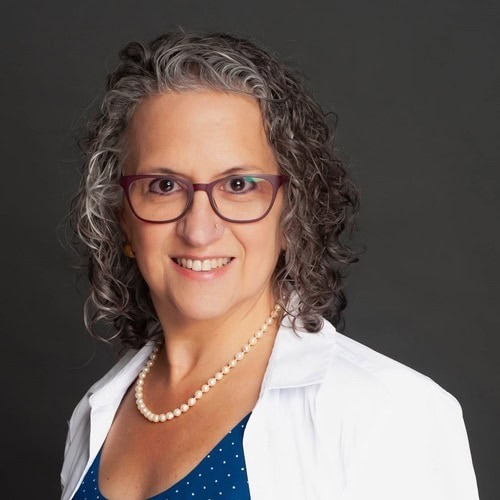
I am a Registered Dietitian Nutritionist and the owner of BetterByDesign Nutrition Ltd. With a postgraduate degree in Human Nutrition and a background as a published mental health nutrition researcher, I have been dedicated to supporting my clients’ clinical needs since 2008.
I hold active professional licenses in BC (CHPBC), Alberta (CDA), and Ontario (CDO), allowing me to provide regulated Medical Nutrition Therapy across these provinces. My expertise spans chronic disease management, complex digestive health, and therapeutic diets. I am deeply passionate about helping people reclaim their health, rooted in my firm belief that Nutrition is BetterByDesign©.