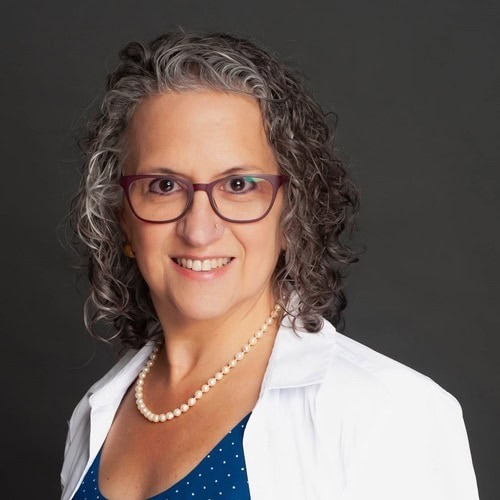
Achievements as a Journey not a Destination

Introduction

I have come to realize that achievements in any area of life are journeys, and not destinations, and that the bends and bumps in the road are part of the journey. Over the past year, I have had to change how I do things, and also how I view the process.


The Start of the Journey: Reversing Diabetes

Joy before and after losing 55 pounds

Those who have been following me for a while know that between March 5, 2017, and March 4, 2019, I lost 55 pounds and more than 12 inches off my waist, and put my type 2 diabetes and crazy high blood pressure into remission. I documented this process in a blog I started called “A Dietitian’s Journey”.

Much to my surprise, following a very low-carbohydrate diet during this period also put the MCAD (Mast Cell Activation Disorder) I had been diagnosed with in 2013 into remission.

Unexpected Bends in the Road: COVID and Health Setbacks

Joy's "little black dress" momentThe pinnacle of my achievement was my “little black dress” moment in June of 2019; however, in August 2020, before routine testing (or vaccines) had become available, I had what my doctor assumed was Covid. I self-isolated for two weeks, but for several months afterwards, I had muscle pain and weakness, tingling and numbness in my fingertips, brain fog, and unbelievable fatigue.

Joy at Golden Ears Provincial ParkI went from being reasonably active and fit and hiking in Golden Ears Provincial Park in the spring, to finding it difficult to walk up or down a flight of stairs by August. It took months until I began to feel reasonably normal.

Despite having had both vaccines in the spring and summer of 2021, I came down with what my doctor assumed was Covid again because the symptoms were the same as in August 2020: muscle aches and joint pain, being exhausted, but with the addition of feeling cold all the time. I was loaned an oximeter by a family member whose mother is a nurse, and I found it strange that my body temperature was always two degrees below normal, even though I had fever-like symptoms. It was then that I started to wonder whether my symptoms were due to hypothyroidism, rather than Covid.

Solving the Puzzle: A Diagnosis of Hypothyroidism

Joy with profound hypothyroidism after losing 55 poundsIt wasn’t until June 2022 that I was diagnosed with profound hypothyroidism, and as I’ve written about previously, it was a diagnosis that was a long time coming. I finally understood why it took me two years to lose the same amount of weight that it takes others, including my clients, less than half the amount of time to lose!

In August 2022, I was prescribed thyroid hormone replacement medications, and once the dosage was stable, the symptoms slowly resolved over the following year. My weight normalized, but even though I continued to eat a low-carb diet, it did not go back to what it was before I was diagnosed.

Adapting the Strategy: Managing Blood Sugar and Mobility

Things were going well with my thyroid for about a year, during which time I was going to the gym 3 times per week, but then I faced a bit of a ‘hiccup’ in early June of 2024, where it turned out that both of my thyroid meds needed to be adjusted. By the end of this summer, I was feeling much better, but what I hadn’t factored in was that the higher dose of thyroid meds would contribute to higher blood glucose levels. The higher blood sugar resulted in my insulin levels rising, which caused me to be hungry all the time, and to add insult to injury, all of this was causing a flare-up of Mast Cell Activation Disorder (MCAD) symptoms.

What worked previously wasn’t working anymore because the circumstances had changed. I realized that I needed to change with them. At the beginning of March, I decided to begin eating a very low-carb (ketogenic) diet instead of the low-carbohydrate pattern I had, while continuing to focus on consuming sufficient amounts of highly bioavailable protein three times per day.

Joy in 2025 on a short hikeBy the second week of March, I had learned about the four types of movement that Orthopedic Surgeon, Dr. Vonda Wright, recommends for retaining and building bone and muscle mass as we age. I adopted them that week.

I started walking 30 minutes per day, 4-5 times a week, and sometimes a longer walk on weekends. Once a week, I follow Dr. Wright’s “carry something heavy” recommendation. Consistently incorporating flexibility and equilibrium (balance) exercises into each day, such as 8-10 squats between clients, has been key. Exercise enables muscle cells to take in the excess glucose without requiring hours in the gym.

Final Thoughts: Achievement is a Journey

compilation photo of "A Dietitians Journey" part 1-3Lower glucose levels mean lower insulin levels, which leads to less hunger. My goal isn’t weight loss, although that’s happening. It’s to address the higher blood sugar due to the thyroid medication — and to have strong muscles and bones as I age.

I realize that achievements in all areas of my life are journeys, and not destinations, and that the bends and bumps in the road are part of it. I’ve come to accept those, and focus on the rest of the journey!

To your good health,

Joy

You can follow me on:

Twitter: https://twitter.com/jyerdile
Facebook: https://www.facebook.com/BetterByDesignNutrition/

Nutrition is BetterByDesign

Privacy Policy | Terms of Use

© 2025 BetterByDesign Nutrition Ltd.

LEGAL NOTICE: The contents of this blog, including text, images, and cited statistics, are for informational purposes only. The content is not intended to be a substitute for professional medical advice, diagnosis, or treatment. Always seek the advice of your physician or other qualified health provider with any questions you may have regarding a medical condition. Never disregard professional medical advice or delay in seeking it because of something you have read in this content.

A Different Type of F.A.C.E. Time

Introduction

Last weekend, I listened to a podcast that featured Dr. Vonda Wright, MD, who is an orthopedic surgeon and longevity exper,t who spoke about our choice to do nothing and become frail as we age, or to implement mobility activity so we can retain and build muscle and bone mass. It was worth sharing.

After listening, I immediately began implementing the first of the four types of movement that Dr. Wright said are essential to maintaining a vibrant lifestyle as we age. By this weekend, I had implemented the first steps of all of them. Dr. Wright uses the acronym “F.A.C.E” to represent each of the four types of essential movement, so I have dubbed my daily appointment with myself to do these as “FACEtime”.

The Medicine of Mobility

The podcast began with Dr. Wright talking about her experiences interacting with her older hospitalized patients who had fallen and broken their hip, and the reality that of those who break a hip, 30% will die. Dr. Wright’s passion is that this outcome is not inevitable. It can be prevented, but it takes a conscious effort and a belief that we are worth the effort that it takes to avoid becoming frail as we age.

Dr. Wright highlighted the difference between lifespan and health span, and that while we are all going to get older, we do not need to become frail. She said that women, on average, in the U.S. live to age 80, and men to 76.4, but life expectancy does not equal health span. She pointed out that many times, the last 20 years of a person’s life are spent going to a doctor’s office three times a week in a steady decline, but that it does not have to be this way!

We don’t need to be the victims of the passage of time that we will all succumb to if we are not intentional. We don’t need to become breakable and frail — we can apply the “medicine of mobility” to pursue a different way to age.

Dr. Wright talked about “Sedentary Death Syndrome,” which are the 33 chronic diseases that kill people in the U.S., including obesity, type 2 diabetes, heart attack and stroke, high blood pressure, high cholesterol, and osteoporosis — and that are directly treated by moving. Moving is the medicine that positively affects all of these. Layering Dr. Wright’s simple method for mobility on top of a diet that targets sufficient amounts of highly bioavailable protein and the amino acid leucine (both required to initiate muscle synthesis) rounds out the picture for aging well.

Changing the Trajectory of Aging

Dr. Wright points out that while there are health issues we cannot control, our lifestyle (both diet and exercise) can positively impact many things, including the health of our mitochondria (the energy of cells), the number of senescent cells that circulate (so-called “zombie cells”), as well as the level of inflammation in our body. We do not have to be the victims of the passage of time.

Dr. Wright, who is also a researcher, said that our understanding of aging is skewed because the studies that indicate a steady decline as we age were done with a study population of people who didn’t move much. Statistics show that 70% of Americans don’t do any form of mobility or exercise in a day. What we know from these large-scale population studies is what happens if we don’t move.

Dr. Wright’s research has found that if 35-40-year-olds — up to seniors in their 90s continue to be active their entire lives, they can maintain their bone mass, muscle mass, and cognitive function. She feels that age 35-45 is the best time to “course-correct” and choose an active lifestyle before things begin to change at age 45 for women due to the hormonal changes of perimenopause.

“There is no age or skill level where the strategic stress we put on our body in the form of mobility, strength training, and smart nutrition will not dramatically change the trajectory of your health.”

What does movement look like?

Dr. Wright uses the acronym “F.A.C.E.” to describe the four types of movement we should all be doing to maintain a vibrant lifestyle, and on which we can layer other types of activity or sports.

F.A.C.E. stands for:

F – Flexibility
A – Aerobic exercise
C – Carry a load
E – Equilibrium

Flexibility is required to keep from becoming stiff, and this involves regularly moving our joints through their full range of motion. Two examples Dr. Wright gives for flexibility activities are Pilates and yoga.

Aerobic exercise – we must invest in a healthy cardiovascular system, and this does not mean high-intensity exercise all the time. Dr. Wright recommends walking for 3 hours per week, broken into four 45-minute sessions. Then twice a week, she recommends finishing by sprinting as fast as we can for 30 seconds, for a total of 4 times. As we age, we need these intense bursts of activity to stimulate muscle and bone building.

Carry a load – it can be done at home with ordinary heavy objects. Women especially need to lift heavy objects in midlife because when we enter peri-menopause, we no longer have estrogen stimulating our muscles to grow. Lifting heavy enables us to produce a longevity protein called Klotho. Dr. Wright has found that 70-year-olds who put loads on their muscles regularly produced more Klotho than 35-year-olds who were sedentary.

Equilibrium and foot speed – Can we balance? According to Dr. Wright, starting at age 20, we begin to lose some of the muscle required to balance well, so being able to stand on one foot while we brush our teeth will enable us to stay upright and not fall, as we age.

Final Thoughts…

“FACE time” is easy to implement into our lives, which is what makes it perfect. All that is required is to commit and set aside a time to do it. If a 45-minute walk is too challenging to do at first, start with twenty minutes. Starting is more important than getting the program perfect right away.

I think Dr. Wright’s method dovetails well with my approach to designing Meal Plans for peri-menopausal women, as well as older men and women, which focuses on eating to retain and build muscle and bone mass.

More Info

Learn about me and the support I can provide to help you preserve both bone and muscle mass as you age. View my Healthy Aging Package.

To your good health,

Joy

You can follow me on:

Twitter: https://twitter.com/jyerdile
Facebook: https://www.facebook.com/BetterByDesignNutrition/

Reference

  1. The Mel Robbins Podcast – “Look, Feel and Stay Younger” with orthopedic surgeon, Dr. Vonda Wright, MD
Nutrition is BetterByDesign

Privacy Policy | Terms of Use

© 2025 BetterByDesign Nutrition Ltd.

LEGAL NOTICE: The contents of this blog, including text, images, and cited statistics, are for informational purposes only. The content is not intended to be a substitute for professional medical advice, diagnosis, or treatment. Always seek the advice of your physician or other qualified health provider with any questions you may have regarding a medical condition. Never disregard professional medical advice or delay in seeking it because of something you have read in this content.

The Best Time to Start is Now – a Dietitian’s journey continues

Introduction

It’s the beginning of January and many people are heading off to the gym to fulfill their New Year’s resolution, but yesterday I quit the gym. Yes, I quit, but why? Sure, the gym will be over-crowded for the next 2 months until all those who were well-intentioned on December 31st find themselves too busy to continue, but the timing of me quitting had more to do with having spent much of October and November re-evaluating my priorities.

The Impact of Physical Setbacks

At the beginning of October, I hurt my back doing something as benign as sleeping funny. Seriously! I slept in an odd position for a few nights in an attempt to make myself more comfortable as the result of an unrelated issue, and much to my surprise ended waking up one morning in debilitating pain. My doctor said that I may have aggravated the same area that was injured in a car accident I was in about 15 years ago and recommended physiotherapy.

After another two weeks of wearing a back support and taking alternating pain and anti-inflammatory meds, I finally gave in and took a four-day class to learn how to gently stretch the area, and to keep the muscles from going into spasm. It was a life-saver and have been practicing the stretches most days since. In the many days that I spent lying on a heating pad unable to sit or stand for more than an hour, I gave a lot of thought about what needed change so that I don’t find myself in this position again.

Lessons from the Past

This wasn’t the first time that I found myself at this type of crossroads. As I wrote about in my 5-year update to my significant weight loss and health restoration, after I got Covid I experienced months of post-viral symptoms that left me finding it difficult to walk around the block. The difference this time was that my son got married and moved out almost 2 years ago, and I needed to find it within myself to make the changes, without someone encouraging me.

At the end of 2022, I was diagnosed with profound hypothyroidism which also affected my mobility. Once I was stable on thyroid medication, the symptoms resolved, but hurting my back at the beginning of October brought my gym routine to an end. The last two months made me realize that I not only need to do weights and resistance training, but also work on flexibility and balance — but at my own pace due to my recent back issue.

Transitioning to a Home Workout

My exercise area

I have had success exercising from home previously and since I already have the training resources, equipment and space that I needed to workout, I decided to not renew my gym membership right now, and exercise at home over the winter. I already know that I prefer to workout first thing in the morning, and have planned to rotate stretching, balance, weights, and resistance training on different days. I will probably incorporate a bit of high intensity interval (HIIT), for good measure.

Designing a Plan for Longevity

Monday I weighed myself and took my measurements, as I did when I started my Dietitian’s Journey back in 2017. As an older adult, I designed myself a new Meal Plan which focuses on sufficient highly bioavailable protein, and the amino acid leucine at each meal to retain and build muscle mass, delicious healthy fats, leafy greens, and some berries to make things tasty.

I am ready to start this new year off right — not as a resolution, but a commitment to myself and an investment in my health because the “best time to start” is now.

To your good health.

Joy

You can follow me on:

Twitter: https://twitter.com/jyerdile
Facebook: https://www.facebook.com/BetterByDesignNutrition/

Nutrition is BetterByDesign

Privacy Policy | Terms of Use

© 2025 BetterByDesign Nutrition Ltd.

LEGAL NOTICE: The contents of this blog, including text, images, and cited statistics, are for informational purposes only. The content is not intended to be a substitute for professional medical advice, diagnosis, or treatment. Always seek the advice of your physician or other qualified health provider with any questions you may have regarding a medical condition. Never disregard professional medical advice or delay in seeking it because of something you have read in this content.

The Death of Peers and Parents Should Change the Way We Live

Note: This article is 3 of 3 articles that have been posted to this website and are in a separate category from research articles, and that category is called “A Dietitian’s Journey”. These 3 articles document my continued determination to restore my weight to what it had been before my diagnosis of hypothyroidism (July 6, 2023 – July 20, 2023). This article represents only my personal experience. It should not be treated as scientific evidence or medical advice.


Introduction

Last week, I flew to Montreal to be with my mom in the last days before her death. While it was hard to see how much she had changed, it was sobering to be reminded of something I started to realize six years ago — that the death of friends and family should change the way we live.

The untimely death of two college friends in 2017 was the impetus for me to finally change my own diet and lifestyle. One of my friends died of a stroke and the other of a massive heart attack; both worked in healthcare their entire lives. As mentioned several times in “A Dietitian’s Journey,” I knew that my death would be next if I didn’t lose weight and lower my very high blood pressure and blood sugar.

My Journey Toward Remission

While it took me twice as long as it should have to accomplish my health and weight goals due to undiagnosed hypothyroidism, I was successful in losing 55 pounds and taking a foot off my waist, and in putting my hypertension and type 2 diabetes into remission. Many times I was asked why I took accomplishing my goal so seriously, and my reply was always the same: “I am doing this as if my life depends on it, because it does.”

When my dad was diagnosed with Alzheimer’s disease, I once again made some lifestyle changes. Even though I had put my type 2 diabetes into remission with diet, I began taking a low dose of the prescription medication Metformin preventatively, while continuing to eat a low-carb diet. But, like many people, I became somewhat complacent and maybe even a little bit smug that diet alone was enough. In the years since my dad’s death, I ended up discontinuing my medication with my doctor’s knowledge.

Something that I was missing in my decision to discontinue this medication was that my health had changed, and I didn’t know it yet.

The Impact of Hypothyroidism

When I was diagnosed with profound hypothyroidism a little over a year ago, my doctor told me that even with thyroid hormone replacement medication, it would take a year and a half to fully recover due to how advanced it was. I wanted to understand how my body had changed, so I turned to scientific literature and learned how hypothyroidism affected my heart rate, blood pressure, and cholesterol, writing about it here.

For a while, I took a “baby dose” of blood pressure medication and made hypothyroid-specific dietary changes, but eventually stopped taking it, waiting for the thyroid medication to reverse the symptoms. In retrospect, that was naive. I assumed metabolic markers would return to normal simply by waiting for recovery. Recently, after an increase in thyroid medication, I noticed my blood sugar was significantly higher than it had been in years, despite being compliant with my low-carb diet. I discovered that thyroid hormone replacement — even “natural” versions — can raise blood sugar, which I discussed here.

Facing Family History

Around the time my dad was diagnosed with Alzheimer’s, my mom was diagnosed with vascular dementia secondary to mild strokes (TIAs). At first, the signs were subtle—difficulty organizing lists—but over time, she lost the ability to read and write. My mom didn’t have high blood pressure but struggled her whole life with weight and a sedentary lifestyle.

The critical factor I wasn’t previously accounting for was the combined risk: my mom’s history of TIAs and vascular dementia combined with my current hypertension from thyroid disease, and my dad’s type 2 diabetes and Alzheimer’s history while my own blood sugar was rising. It is great to eat low carb and work out at the gym, but in light of these changes, taking Metformin and blood pressure medication only makes sense.

While in Montreal, I made a phone appointment with my doctor. We discussed my mother’s diagnosis and my current vitals. He agreed that resuming medication to monitor these levels regularly was the appropriate path.

Moving Forward Without Complacency

My mom's grave, beside my dad'sToday I buried my mom. While she died due to pneumonia and not vascular dementia, her death has changed how I will live. I realize that I can no longer be complacent and assume that eating a good diet and going to the gym several days a week is always “enough.”

Joy's parents' resting placeMy dad is buried beside my mom, and visiting his grave reminded me that his death was related to Alzheimer’s and 40 years of type 2 diabetes. While my current elevated blood sugar is a side effect of necessary thyroid medication, using all tools available—medication, diet, and exercise—is the logical choice to prevent a similar fate. His death, too, has changed how I will live.

Final Thoughts

Dietary and lifestyle changes are powerful and can effectively put both type 2 diabetes and hypertension into remission. However, when circumstances change, it is necessary to consider medication as an adjunct. I have no choice but to be on thyroid medication, just as someone with type 1 diabetes must take insulin. Given the side effects of those hormones and my genetic risk factors, I have chosen to let my parents’ deaths change my approach.

Taking medication is not a “failure.” Dying an unnecessary or premature death is. If taking medication, in addition to being active and eating well, helps avoid or significantly slow dementia, that is the best path forward.

To your good health,

Joy

Nutrition is BetterByDesign

Privacy Policy | Terms of Use

© 2025 BetterByDesign Nutrition Ltd.

LEGAL NOTICE: The contents of this blog, including text, images, and cited statistics, are for informational purposes only. The content is not intended to be a substitute for professional medical advice, diagnosis, or treatment. Always seek the advice of your physician or other qualified health provider with any questions you may have regarding a medical condition. Never disregard professional medical advice or delay in seeking it because of something you have read in this content. </div

Success is All About “Showing Up”

Note: This article is 2 of 3 articles that have been posted to this website and are in a separate category from research articles, and that category is called “A Dietitian’s Journey”. These 3 articles document my continued determination to restore my weight to what it had been before my diagnosis of hypothyroidism (July 6, 2023 – July 20, 2023). This article represents only my personal experience. It should not be treated as scientific evidence or medical advice.


Introduction

Whether it’s achieving significant weight loss or recovering one’s health, I believe that success is all about “showing up”. As much as people would like to believe that eating certain foods or taking supplements will cause the “pounds to melt away” or for the symptoms of a health condition to “improve in just 6 weeks,” we know better. Success requires making a commitment, consistency and “showing up” for yourself — if not every time, most times.

One of the first posts I made when I started my personal weight-loss and health-recovery story (March 5, 2017 – March 4, 2019) was a video of me walking around a track. I was so overweight and out of shape that I could barely walk and talk at the same time. I was clearly out of breath! So why on earth did I post it? Why didn’t I wait until I lost the 55 pounds and the foot off my waist and then post my success pictures? I believe that people relate to the struggle of watching someone doing it and that watching them succeed no matter how long it takes, gives them hope that they can, too!

Here’s a clip from that video;

What I said in that video still rings true today, as I am continuing to work towards recovering from severe hypothyroidism;

“I want to encourage people that if they make a commitment to “do it” just do it! If you have to re-schedule other things to do it, just do it! It’s important. Exercise is a small component of this journey, but it is an important component. “

It’s about “showing up”.

Joy before and after losing 55 poundsBy setting goals and by being intentional about following through, I went from looking like the photo on the left to being able to hike intermediate trails, and looking like the photo on the right. By “showing up” for myself in terms of my eating, I was able to put my extremely high blood pressure and type 2 diabetes into remission. But losing 55 pounds and a foot off my waist didn’t happen overnight. Even though I am a Dietitian and have helped many others achieve this in far less time, as my doctor told me a year ago, there indications that I probably had subclinical hypothyroidism for the past 10 years. In a sense, that I was able to accomplish the weight loss and for the most part maintain it, is evidence to the power of “showing up.”

Achieving and maintaining a healthy body weight has really about me making decisions on a consistent basis that move me towards that goal.

It’s not about being “perfect,” but about being consistent.

It’s about “showing up” for myself when I plan my meals. It’s about prioritizing foods that will provide satiety (not feeling hungry), and ensuring that the foods I eat with them provide me with the nutrients I need, while supporting my ongoing metabolic health.

Setbacks are About “Showing Up”

Weight loss and health recovery rarely occur in a straight line. There are any number of setbacks that can, and do occur. It is what we do with setbacks that determines whether we regain all the weight we lost and then some, or becomes as sick or sicker than we used to be.

It is still about “showing up”.

Joy after losing 55 pounds, then being diagnosed with profound hypothyroidismAt my youngest son’s wedding last June, I was at my sickest but didn’t yet have a diagnosis. I could barely walk or get up from a chair because of the edema in my legs, and my tongue was so swollen that it was difficult to talk.

What made it really hard for me was that I looked like I did when I was 55 pounds heavier, but I wasn’t. In short, I looked like a “failure.”

Recovery from Hypothyroidism is About “Showing Up”

I wrote a few posts about my recovery from hypothyroidism under “A Dietitian’s Journey (Part II)” but there were a lot of “silent” periods in between those posts, and since the last one where I simply had to “show up.”

I needed to continue to take my thyroid meds and have my thyroid hormones checked every few months. I needed to continue to work with my doctor to get my medication adjusted to a level that enabled me to feel well, and to accomplish what I needed to. I am very thankful to have an incredibly knowledgeable and supportive doctor, but the bottom line is that I need to consistently “show up.”

I needed to prepare my meds each evening for the following days dosages I take them in — and it didn’t matter if I was tired.

I had to continue to “show up” for myself when it came to making decisions as to which foods I will eat and those I choose not to because I have Hashimoto’s disease, which is an autoimmune condition.

I needed to continue to “show up” for myself to get tested for nutrients of importance in hypothyroidism and to supplement accordingly. Except for vitamin D3 and K2, and later magnesium, I never took supplements — choosing instead to get them by eating a range of real, whole foods. Being diagnosed with an autoimmune condition necessitated me changing my mind on this and consistently “showing up” for myself by consistently taking the supplements that I needed to.

Every day with hypothyroidism is about “showing up.”

Restoring Health is About “Showing Up”

A few weeks ago, after my new thyroid medications took effect and it became possible to think about regaining my mobility and muscle mass, the question was “how.”

My son who had been my “hiking buddy” recently married and moved out of province, and I was very aware that I wasn’t ready to re-join the ladies hiking group that I am a member of without regaining my strength. I needed a plan.

Someone in the local Facebook group posted about a program available, and I knew that was exactly what I needed. It was close and would give me access to the weight-training facilities that I needed to rebuild my muscles, and the classes would provide me with some fun and aerobic exercise at the same time. They even had several pools where I could rekindle my love of swimming, after I replaced my size 16 bathing suit.

Gym bag - getting ready to goIn order to “show up” I had to first get what I needed.

By the end of last weekend, I had a 3-month renewable membership to the fitness center, a one-year parking pass, a new gym bag, and a bathing suit in my size. While I wondered if I would even remember how to swim as it had been at least 30 years since I last did, I was going to be focusing on doing what I needed to do to rebuild my muscle mass, and that was to “eat sufficient protein at each of my meals” and to “lift, push and pull heavy things often“.

Joy back at the gymI planned to go to the gym for the first time this past Wednesday, but make sure nothing was slowing me down to “showing up”, my gym bag was already packed, and by the front door.

My gym socks and training shoes were pulled out, and my sweatband was draped on top of them.

My driver’s license, debit card, and health card were already in a small wallet attached to my keys and were lying on top of my gym bag.

My water bottle was ready to go, and I had the coins needed for the lockers.

I had no excuses.

As I grabbed my bag and water bottle, I was “ready” to “show up” for myself. I needed to, because there was no one there to coax or encourage me. I had to be there for “me,” and I was.

During my first workout, I learned how to use one of the types of resistance machines and did three sets of ten with a 45-second rest in between each set on most of them — or as much as I could. I focused on having good form and didn’t try to do more than my body was able to do. This was the first workout, and I was already successful because I “showed up”. Everything else I did was moving me towards my goal of getting in good enough shape to hike again.

Yesterday, I woke up quite sore — especially my pecs. These are not muscles I use much, if at all. I had thought I might go swimming, but I was so sore I wasn’t sure that was such a good idea since it had been way too long since I last did it. I stretched my muscles and rested, and prepared my gym bag to go on Friday.

Joy still at it - going to the gymWhen I awoke today, everything was prepared. The only thing I grabbed was a mask because of the smoke warning outside, and I headed to the gym.

I had already determined I would do what I could, given I am new at it and still somewhat sore from Wednesday, and had a good workout. I was surprised that I could increase weight or reps on some machines but definitely did less on the pec press. That’s okay. I “showed up.”

Final Thoughts…

Whether it is losing significant weight, restoring one’s metabolic health, or rebuilding one’s physical strength after an illness, the first necessary thing is to commit to “do it”.

Then, put the pieces in place that are required to be successful. If that is weight loss or health recovery, have a plan of how you are going to do it and who will oversee your progress. If it’s rebuilding your strength after an illness, find something that you want to do, that’s realistic for you to consistently do, and then get whatever is needed to get started.

Then, as I said in the video above, once you’ve committed to “do it,” just do it.

If you are consistent in “showing up” for yourself regularly, you will be successful in achieving your goals.

To your good health,

Joy

Nutrition is BetterByDesign

Privacy Policy | Terms of Use

© 2025 BetterByDesign Nutrition Ltd. All rights reserved.

LEGAL NOTICE: The contents of this blog, including text, images, and cited statistics, are for informational purposes only. The content is not intended to be a substitute for professional medical advice, diagnosis, or treatment. Always seek the advice of your physician or other qualified health provider with any questions you may have regarding a medical condition. Never disregard professional medical advice or delay in seeking it because of something you have read in this content.

A Dietitian’s Journey (Part III) – the next phase

Note: This article is 1 of 3 articles that have been posted to this website and are in a separate category from research articles, and that category is called “A Dietitian’s Journey”. These 3 articles document my continued determination to restore my weight to what it had been before my diagnosis of hypothyroidism (July 6, 2023 – July 20, 2023). This article represents only my personal experience. It should not be treated as scientific evidence or medical advice. 

Introduction

Thirteen months ago, I was diagnosed with an auto-immune condition and was the sickest I had been in many years. Thankfully, I am entering the next phase, where I hope to restore my health to what it was before my diagnosis.

Joy in June 2022 after being diagnosed with profound hypothyroidismAt the time of my youngest son’s wedding on June 3, 2022, I was incredibly swollen all over, had pronounced joint pain and muscle aches, and significant edema in my legs and ankles — so much so, that I was wearing compression stockings all the time, even at the wedding.

The skin on my cheeks was dry and flaky and despite trying multiple types of intense moisturizers, nothing helped. My mouth symptoms had progressed to the point that I found it difficult to say certain words because my tongue was swollen so much that it seemed too large for my mouth, and the salivary glands underneath my tongue were swollen.

The debilitating fatigue made life very difficult.

The muscle weakness had progressed to the point where it was difficult for me to get up from a chair, or to get out of the car without pushing myself up with my hands. My eldest son was helping me get to and from the beach for the photos for the wedding and he thought it was me aging. Even my other two sons began to assume the same thing because the changes occurred too slowly for them to see that they only started a few months ago. I was thinking that I may have some form of “long-Covid,” but what got me starting to think that my symptoms may have had something to do with my thyroid was the very noticeable swelling in my face.

The phase immediately prior to diagnosis was the most difficult because on the occasion of my first son’s wedding, I looked like I did when I was 55 pounds heavier, but wasn’t. What was very stressful was not knowing why I was so sick.

LEFT: March 5, 2017, RIGHT: June 3, 2022 at my youngest son’s wedding.

The First Phase of Recovering from Hypothyroidism

Just as weight loss and metabolic health recovery rarely take place in a straight line, the same is true with recovering from hypothyroidism.

At the end of October 2022, my thyroid hormones had improved significantly taking two types of thyroid medication. My free T3 (the active thyroid hormone) was at 65.5% of the reference range, however my free T4 was only at 41.75%. Unfortunately, the medication adjustment we made at that time to “tweak things” made everything worse. By April, I was exhausted and cold, and found it very difficult to get through the day.

Joy after her 50% hair loss regrewAfter having my thyroid hormones retested, it was evident why I felt awful, as my free T4 and free T3 had both dropped significantly.

Once again, my doctor adjusted my medication and thankfully my symptoms improved within a few weeks. Unfortunately, the less-than-optimal dose of thyroid hormones from January to April triggered another round of excessive hair shedding, but rather than “sweat the small stuff”, mid-June I opted for a new haircut which allowed my natural curls to fall where they may and it helped.

Since my condition is autoimmune, I continue to follow the specific dietary recommendations that I outlined here, as well as supplementing with the nutrients of importance in hypothyroidism while periodically having my serum nutrient levels tested. I also continue to eat a lower carb diet that is high in highly bioavailable protein to support my continued metabolic health.

A Dietitian’s Journey Continues – The Next Phase

While I was feeling much better for the past few weeks I was bemoaning the fact that I was not well enough to resume hiking. I know, “first world problems”. Now that the son that got into hiking with me a few years ago was married and had moved out of town, it was up to me to figure out a way to regain my strength.

Last week, someone on social media posted about a local fitness program and I thought to myself, “I am going to join that“! It was perfect. It was close and would give me access to the weight-training facilities that I needed to rebuild my muscles, as well as classes that would provide me with some fun and aerobic exercise at the same time. They even had several pools where I could to re-discover my age-old love of swimming! Realizing that the last bathing suit I owned was size 16 (from before I lost weight in 2017-2019), it was time to go shopping.

By the end of this past weekend, I already had a 3-month renewable fitness center membership, a one year parking pass, a new gym bag, and a bathing suit in my size. While I wondered to myself if I will even remember how to swim, but that was okay as I was determined to begin with “lifting, pushing and pulling heavy things often“. Along with eating sufficient protein intake over each of my meals, weights and resistance training was the most important for restoring my muscle mass and avoiding sarcopenia (muscle-loss) so common in older adults. I was determined NOT to become one of those frail older people and this program would get me there.

Rebuilding Strength and Mobility

I was planning to start at the gym this past Tuesday but ended up taking one of my sons and daughter-in-laws to the airport. When I woke up on Wednesday morning, I was ready to go. Not only was I ready, but I was excited to go, because for the first time in a year and a half to two years, it was possible. I was finally well enough again.

When I arrived at the fitness room, I asked the trainer to show me how to adjust the machines. She ushered me over to the cardio equipment, while encouraging me that this is where I should start. I replied to her that my first priority is to rebuild lost muscle mass and asked her to please show me how to use the resistance equipment, which she did. While cardio definitely has a place in my long-term goal of being able to hike again, lifting weights and doing resistance training will enable me to rebuild lost muscle, and strengthen joints and connective tissue as well as help with restoring my metabolism and mobilizing residual fat.

Joy at the gym, after being on thyroid hormone replacement

This is me after my first weight training session yesterday. I was sweaty and tired, but it felt amazing to finally be at this next phase of my journey one I have waited for as patiently as possible.

I hope that a Dietitian’s Journey – Part III encourages others who are recovering from Hashimoto’s as well as other types of autoimmune disorders.

You can learn about me and the Comprehensive Dietary Package that I offer.

To your good health!

Joy

You can follow me on:

Twitter: https://twitter.com/jyerdile
Facebook: https://www.facebook.com/BetterByDesignNutrition/

Nutrition is BetterByDesign

Privacy Policy | Terms of Use

© 2025 BetterByDesign Nutrition Ltd. All rights reserved.

LEGAL NOTICE: The contents of this blog, including text, images, and cited statistics, are for informational purposes only. The content is not intended to be a substitute for professional medical advice, diagnosis, or treatment. Always seek the advice of your physician or other qualified health provider with any questions you may have regarding a medical condition. Never disregard professional medical advice or delay in seeking it because of something you have read in this content.

To Hell and Back – recovering from hypothyroidism

Introduction

Joy in April 2019
April 2019

In the summer of 2019, I was feeling fantastic after losing 55 pounds and putting my type 2 diabetes and hypertension into remission.

Fast forward to August 2020, when I got Covid. It was new at that point and none of us knew what to expect and it took months until I began to feel reasonably normal. I had become resigned to living with muscle aches, joint pain, ‘brain fog’, and fatigue. It was hard for me to wrap my head around the fact that I was reasonably active and now finding it difficult to walk up or down a flight of stairs.

Eventually, the symptoms eased, and life carried on.

In March 2022, despite having had both vaccines (April 2021, July 2021), I came down with what my doctor assumed was Covid again because the symptoms were very similar to those I had in August 2020 — muscle aches, joint pain, feeling exhausted, and cold all the time with bluish lips. I had been loaned an oximeter and I found it odd that my body temperature was always two degrees below normal, even though I had fever-like symptoms of being cold and shivering. I didn’t think much of it until I began to develop symptoms that were not associated with Covid, including significant non-pitting edema in my lower legs and feet.

Joy in June 2022

Two month’s later, in June 2022 at my youngest son’s wedding, I could barely walk on the beach or get out of a car without assistance. The groom’s eldest brother assumed that it was a result of me having “aged” as he had no idea that I was hiking in North Vancouver and Golden Ears Provincial Park for several hours at a time the summer before.

I looked like I did when I was 55 pounds heavier, but without significant weight gain and began to think that my symptoms were consistent with hypothyroidism.

After my son’s wedding, I called my doctor’s office and made an appointment.

After a thorough examination, my doctor pointed out several other physical symptoms that I had that were consistent with hypothyroid and said “Joy, I think your conclusion is right on” and requisitioned additional lab work. He reviewed my past lab results and noticed that my TSH had been “high normal” since 2013, and that I often had low ferritin with no explanation, as well as past “unexplained” issues with hair loss.

Today, the blood tests came back confirming that I have Hashimoto’s disease and my doctor said that I had “profound hypothyroidism“. He said in all his years of clinical practice, he has only seen one other person with more significant presenting symptoms. In retrospect, I have been experiencing symptoms of subclinical hypothyroidism for nine years (since 2013). No testing was done because my TSH (a pituitary hormone) was still within range.

Final Thoughts…

I am grateful that my doctor involves me in decision making about requisitioning blood tests and is open to discussing medication types and dosages with me.

It is my hope that my clinical knowledge as well as almost a decade of dealing with sub-clinical hypothyroidism positions me to better help others recognize possible hypothyroid symptoms and to discuss diagnosis and treatment options with their doctor.

To your good health,

Joy

You can follow me on:

Twitter/X: https://twitter.com/jyerdile
Facebook: https://www.facebook.com/BetterByDesignNutrition/

Nutrition is BetterByDesign

Privacy Policy | Terms of Use

© 2025 BetterByDesign Nutrition Ltd. All rights reserved.

LEGAL NOTICE: The contents of this blog, including text, images, and cited statistics, are for informational purposes only. The content is not intended to be a substitute for professional medical advice, diagnosis, or treatment. Always seek the advice of your physician or other qualified health provider with any questions you may have regarding a medical condition. Never disregard professional medical advice or delay in seeking it because of something you have read in this content.

To Hell and Back – recovering from hypothyroidism (a Dietitian’s Journey)

Note: This article is 6 of 6 articles that have been posted to this website and are in a separate category from research articles, and that category is called “A Dietitian’s Journey”. These 6 articles document my recovery from profound hypothyroidism (June 3, 2022 – October 31, 2022) and represent only my personal experience. They should not be treated as scientific evidence or medical advice. 

A Dietitian’s Journey (Part I) documented my personal weight-loss and health-recovery journey (March 5, 2017 – March 4, 2019) and is not posted on this web page.


Introduction

Last Monday, I went to the lab for updated blood work, including a thyroid hormone panel, additional thyroid antibody tests, and an iron panel. I have moved past the frustration of there being no pricelist available for consumers who are self-paying for lab tests, and am now focusing on the lab test results and the dietary changes that I need to make in light of those, as I am recovering from hypothyroidism.


The results came back late Monday afternoon and I met with my doctor to discuss them on Thursday, The good news is that based on calculation estimates converting the bovine Natural Desiccated Thyroid (NDT) medication that I had been taking, to a mixture of Synthroid® (a synthetic T4 medication) and Cytomel® (a synthetic T3 medication), my free T4 and free T3 are almost perfect. As my doctor said when we met, “between your research and my experience, we got this”.

This is a beautiful picture.

TSH, fT4 and fT3 levels on T4/T3 thyroid hormone replacement medication

It shows, as my doctor and I had hoped, that my free T3 (the active thyroid hormone) is in the higher part of the reference range (65.5%); a level considered optimal by endocrinologists and thyroidologists who are well-versed in the use of the combination T4/T3 medications that I have been prescribed.

While my free T4 could be in the higher part of the range on the type of medication that I am taking, it may slightly lower because of the feedback from having sufficient free T3. That’s okay! I am feeling so much better, although it will take another year or more until I am really well again.

As expected, my TSH (Thyroid Stimulating Hormone, the pituitary hormone that tells the body how much thyroid hormone to make) is low because the amount of free T3 is optimal. This is a classic feedback loop where free T3 provides feedback on the pituitary gland, indicating that there isn’t a need to make more thyroid hormone. Think of it like a thermostat.  When the room gets warm enough, there is feedback on the thermostat that no additional heat is required, and it turns it off until the room gets cold again.

Of importance, my TSH is not considered “suppressed” (TSH ≤0.03 mU/L) but “low” (TSH = 0.04-0.4 mU/liter) [1], so there is no increased risk of cardiovascular disease or bone fractures. Those with a “high” TSH (>4.0 mU/liter) — which was the level that I was at before being treated, and those with a “suppressed” TSH (≤0.03 mU/L) both have an increased risk of cardiovascular disease, abnormal heart rhythms and bone fractures. Those with “low” TSH (0.04-0.4 mU/liter) as I have, do not [1,2]. So more good news.

I have been diagnosed with Hashimoto’s disease (also known as Hashimoto’s thyroiditis), which is an autoimmune disease, and the diagnosis is based on both the symptoms of hypothyroidism, along with the presence of thyroperoxidase antibodies (TPO-ab) and thyroglobulin antibodies (TG-ab) in the blood [3].

In many cases of hypothyroidism, it is these antibodies that contribute to the gradual disappearance of thyroid cells and the development of hypothyroidism.  In my case, it was the trauma to the thyroid that resulted from surgery that I had 30 years ago to remove a benign tumour that was the major contributor to the eventual decrease in thyroid function.

Before being diagnosed, as you can read about here, I had all the classic symptoms of hypothyroidism, including body aches, joint pain, fatigue, feeling chilled, constipation, dry skin, hair loss, being forgetful, and even feeling depressed.

By the point I realized that these symptoms were not consistent with long-COVID (which is what I initially suspected) or aging (which my sons assumed), I had developed some of the symptoms of severe hypothyroidism [3], including difficulty with speech, significant water retention, and peripheral edema (swelling) of the ankles and face [3]. There are more photos of what I looked like when I was very sick here, as well as photos from the beginning part of my recovery.

To hell and back – 5 months of recovery from hypothyroidism

Thyroperoxidase-Ab = 9 (<35 IU/mL)

Thyroglobulin Ab = 14 (<40 IU/mL)

The blood tests indicated that while I have some thyroperoxidase antibodies (TPO-Ab) and thyroglobulin antibodies (TG-Ab), I do not have Hashimoto’s disease (autoimmune) as neither was over the lab cutoffs.

As diagnosed by my doctor based on previous lab results and symptoms, I have hypothyroidism, but based on this lab work, it is not autoimmune in nature.

Gliadin and Transglutaminase

For many years, I avoided gluten-containing products because I thought I was gluten-intolerant, although not celiac.

A year ago, I stumbled across some novel ingredients and had an idea to create low-carb breads to provide dietary options for those with diabetes. My goal was to enable people who would not otherwise consider a low-carbohydrate diet to be able to adopt one, for health reasons.   I was mainly thinking of those from bread-centric cultures, such as South East Asians (Indian) and Hispanics, but in time, I developed many more types of low-carb bread.

I was aware of the connection between high gluten consumption and leaky gut syndrome, but against that, I weighed the serious morbidity and mortality linked to uncontrolled diabetes. I had come across many people who would rather stay diabetic, and potentially lose their toes or vision, than give up bread and developing these breads seemed like the lesser of two evils.

Since being diagnosed with hypothyroidism, which I had been developing over the previous 9 years (more about that here), I learned that the gliadin fraction of gluten structurally resembles transglutaminase. Transglutaminase is an enzyme that makes chemical bonds in the body, and while present in many organs, there are higher concentrations of transglutaminase in the thyroid.

In leaky gut syndrome, gliadin (and other substances) result in the gaps in between the cells of the intestinal wall widening. This results in the immune system of the body reacting to food particles that are inside the intestine, which it normally would not see. It is thought that the immune system reacts to gliadin and creates antibodies to it, seeing it as a foreign invader.  Since gliadin and transglutaminase have very similar structural properties, it is thought that in those with leaky gut syndrome, the immune system begins to attack the transglutaminase in the thyroid and other tissues, contributing to the development of autoimmune conditions, including Hashimoto’s.

A-1 Beta Casein and Gluten

A few years ago, I had leaky gut syndrome but it resolved with dietary changes, including avoiding gluten and A-1 beta casein dairy (you can read about what A-1 beta casein dairy is here).  Naturally, as I had been working on recipe development for the low-carb bread book, I had been eating gluten as I tested them. I also became more liberal in including dairy products from A1-beta casein cows, when I hadn’t used them in years. That started when there was severe flooding last year in Chilliwack last year due to heavy rains after the summer, and that was where my goat milk came from.  Even once the roads were open again and the highways rebuilt, I never really went back to using goat milk, which is naturally A-2 beta casein. In the interest of an abundance of caution, I will go back to using dairy products from A-2 beta casein cows, or from goat or sheep milk (that are naturally A-2). Humans produce A-2 beta casein protein, and using milk from A-2 beta casein animals does not result in an immune response. It is not seen as “foreign.”

From what I’ve read and in discussing it with my doctor, it is likely that my hypothyroidism has been developing over the last 30 years, related to the surgery I had to remove a benign tumour. Further supporting that my becoming hypothyroid has been a long time in the making, I have had high-normal levels of TSH over the last 9 years — which happens to be a time period over which I was avoiding both gluten and A-1 dairy. Given that, I think it’s logical to conclude that my hypothyroidism is primarily related to the destruction of thyroid tissue in the invasive surgery connected to the removal of the tumour. Further supporting this hypothesis, I currently have fairly low levels of TPO and TG antibodies, so I suspect they have begun developing fairly recently. Since a 2018 study reported that both TPO-antibodies and TG-antibodies are decreased in hypothyroid patients following a gluten-free diet [4], it seems wise for me to go back to avoiding gluten, to lower my TPO-antibodies and TG-antibodies as close to zero as possible.

Cruciferous Vegetables

Cruciferous vegetables such as Brussels sprouts, broccoli, bok choy, cauliflower, cabbage, and kale are known as goitrogens. Goitrogens are naturally occurring substances that are thought to inhibit thyroid hormone production. The hydrolysis of a substance known as pro-goitrin that is found in cruciferous vegetables produces a substance known as goitrin, which is thought to interfere with thyroid hormone synthesis [5]. Since cooking cruciferous vegetables limits the effect on the thyroid function, and eating cruciferous vegetables has many health benefits, I will usually eat them cooked, but not in huge quantities. Some studies found a worsening of hypothyroidism when people ate very large quantities of these (e.g. 1 – 1 ½ kg / day) so it is recommended that intake of these vegetables be kept relatively constant day to day, and limited to no more than 1-2 cup/day. I’ve decided that when I do eat them, to keep intake to the lower end of that range and eat more non-cruciferous vegetables instead.

Iron Deficiency and Low Stomach Acid (hypochlorhydria)

I now know why I am still so tired. I asked my doctor to run an iron panel, and the results show I have low iron. Previous results indicate my vitamin B12 are fine, and I continue to supplement methylated folate and B12, so I know those are not a problem.

While my iron stores (ferritin) are okay, they are not optimal, i.e., ferritin = 93 (15-247 ug/L) instead of >100ug/L.

My hematology panel is low-normal i.e. hemoglobin = 122 (115-155 g/L), hematocrit = 0.37* (0.35-0.45 L/L), MCV = 88 (82-98 fl), MCH = 29.5 (27.5-33.5 pg), MCHC = 334 (300-370 g/L)

My serum iron and iron saturation are very low, i.e., serum iron = 11.9 (10.6-33.8 umol/L), iron saturation = 0.15 (0.13-0.50)

Low iron status is common with hypothyroidism, but it was surprising to me because I eat beef liver, or chicken livers every week, and also take a heme polysaccharide supplement (like Feramax®), so it may be due to an absorption problem.

Low stomach acid (hypochlorhydria) is common in hypothyroidism, and since low pH is needed for iron absorption, I have made dietary changes to improve that.

Final Thoughts…

I am very grateful that my doctor recognizes my knowledge as a clinician and is receptive to me advocating for my health. I am incredibly fortunate that he involves me in decisions regarding blood tests, as well as discussing medication types and dosages.  As for the dietary changes and supplementation, he is content to let me handle that!

I hope that out of my experience, which I have called “to hell and back” I can help others better understand hypothyroid symptoms, diagnosis and treatment options so that they can discuss them with their doctor.

To your good health,

Joy


Copyright ©2022 BetterByDesign Nutrition Ltd.

LEGAL NOTICE: The contents of this blog, including text, images and cited statistics as well as all other material contained here (the ”content”) are for information purposes only.  The content is not intended to be a substitute for professional advice, medical diagnosis and/or treatment and is not suitable for self-administration without the knowledge of your physician and regular monitoring by your physician. Do not disregard medical advice and always consult your physician with any questions you may have regarding a medical condition or before implementing anything  you have read or heard in our content.


Blood Tests and Lab Frustrations – a Dietitian’s Journey

Note: This article is 5 of 6 articles that have been posted to this website and are in a separate category from research articles, and that category is called “A Dietitian’s Journey”. These 6 articles document my recovery from profound hypothyroidism (June 3, 2022 – October 31, 2022) and represent only my personal experience. They should not be treated as scientific evidence or medical advice. 

A Dietitian’s Journey (Part I) documented my personal weight-loss and health-recovery journey (March 5, 2017 – March 4, 2019) and is not posted on this web page.

Introduction

Lab RequisitionThis past Monday, I went to the lab to have blood tests to measure my thyroid hormones, anti-thyroid antibodies, and an iron panel. When I met with my doctor last week, I learned that I would need to pay for the free T3 test because the British Columbia guidelines and protocols for ordering thyroid tests state that a free T3 test is only covered to rule out suspected cases of hyperthyroidism [1]. As I wrote about last Thursday, I was “more than willing to pay for a $9.35 test to have all the data.”

I think most people are aware that the healthcare system is economically stretched, and I certainly understand and accept the need to reduce costs. One way to do that is to restrict the ordering of laboratory tests to only medically justifiable circumstances, which makes good sense.

While I recognize that I am not objective in this situation, it would seem to me that when someone is on thyroid hormone replacement medication that includes both synthetic T4 and T3 hormones, that the expense of both a free T4 test and free T3 test should be covered by the provincial healthcare system as the cost is justifiable because the prescribing doctor needs to determine if the dosage of both synthetic hormones is adequate, but not too high.

As I said above, I knew last week that I would be paying for the free T3 test and was fine with that, but what I wasn’t prepared for was that I would be expected to pay three times the cost the government pays for the same test, and that there would be no patient-price list available.

Need for Price Transparency

When I arrived at the lab on Monday, I was told that the free T3 test would cost $32.00. I replied that there must be a mistake, because the cost of the test is $9.35. I was informed that the government pays $9.35 for the free T3 test, but the patient-pay cost for the same test is $32.00. I explained to the person at the desk that I could understand the test costing more if there was a set-up fee for a stand-alone test, or for a separate blood draw, but this test was going to be run with others using the same blood draw. I was informed that $32.00 is the patient-pay cost of the free T3 test, regardless of whether it is done with other tests or by itself.

I asked if I could please see the price list with the patient-pay costs, and was told that there isn’t one. I was asked if I wanted to have the free T3 test period formed, and if I did, I would need to pay $32.00. What choice did I have? It was not as though I could go to one of the lab’s competitors, as this private lab company is the only one providing laboratory services in this city.

[NOTE (October 28, 2022: I have spoken to people in other provinces, and it appears from what people have said that the practice of diagnostic laboratories not disclosing patient-pay prices occurs in Manitoba, Ontario, and British Columbia.]

Lab Frustration

I paid the $32.00 for the test because I needed this information to know the effect of the medication on my thyroid hormones, and for my doctor to know whether a medication adjustment was needed. I had the disposable income to pay for it, but what about consumers who need a laboratory test to make health decisions or for their doctor to be able to, and who cannot afford that?

Healthcare Costs Accountability

After my appointment, I wrote the regional office of the lab company and asked “to have the patient-pay lab prices for British Columbia.” I heard back from a Client Service Advisor who told me that “We do not provide a list of what we charge to patients”. I was flabbergasted. I’ve always made the assumption that private businesses are required to post their prices, or at least make them available when asked.

I have since found out that there IS a patient-pay price list, and it is titled “British Columbia Private Price List for Commonly Ordered Lab Tests” and is dated April 2021.

Price List Header

The prices cannot be posted because the notice at the top of the price list reads: “This is a confidential document. Please do not disclose our prices publicly except in conversations with your patients.” Why is the private-pay price of lab tests a confidential document?

Final Thoughts…

No PricesI believe that, as consumers, private-pay individuals have a right to have access to the prices for laboratory tests in advance, so that they can consider their decision to purchase, or not purchase, these services. Consumers expect grocery stores and department stores to post their prices, and it is my personal opinion that privately owned laboratories should be no different.

I am very grateful to live in a country where publicly funded medical care is available. I don’t even mind paying the same cost the government pays for tests that I want to have done. But as a private consumer, I believe the cost of services needs to be available and that there needs to be transparency.

References

  1. BC Guidelines & Protocols Advisory Committee, Thyroid Function Testing in the Diagnosis and Monitoring of Thyroid Function Disorder, October 24, 2018
Nutrition is BetterByDesign

Privacy Policy | Terms of Use

© 2025 BetterByDesign Nutrition Ltd. All rights reserved.

LEGAL NOTICE: The contents of this blog, including text, images, and cited statistics, are for informational purposes only. The content is not intended to be a substitute for professional medical advice, diagnosis, or treatment. Always seek the advice of your physician or other qualified health provider with any questions you may have regarding a medical condition. Never disregard professional medical advice or delay in seeking it because of something you have read in this content.

What Does Success Looks Like Now – A Dietitian’s Journey

Note: This article is 4 of 6 articles that have been posted to this website and are in a separate category from research articles, and that category is called “A Dietitian’s Journey”. These 6 articles document my recovery from profound hypothyroidism (June 3, 2022 – October 31, 2022) and represent only my personal experience. They should not be treated as scientific evidence or medical advice. 

A Dietitian’s Journey (Part I) documented my personal weight-loss and health-recovery journey (March 5, 2017 – March 4, 2019) and is not posted on this web page.


Introduction

This article is the fourth entry in A Dietitian’s Journey and is about how I will measure success as I recover from hypothyroidism.

A Dietitian’s Journey – Part I

A Dietitian's Journey - Part I - before and after“A Dietitian’s Journey” (Part I) was my personal weight-loss and health-recovery journey that began on March 5, 2017 when I decided to make dietary and lifestyle changes so that I could reclaim my health. At that time, I was obese, had type 2 diabetes for the previous 8 years, and extremely high blood pressure.

Two years later, on March 5, 2019, I accomplished all but one of my goals, and the last one I achieved three months later. In all, I lost 55 pounds and more than a foot off my waist, and met the criteria for partial remission of type 2 diabetes, and remission of hypertension (high blood pressure).

To get an idea of what I looked like at the beginning and the end of that journey, there are two short videos on my Two Year Anniversary post that tell the story well. The first video was taken when I started and it is very apparent how obese I was, and how difficult it was for me to walk and talk at the same time. The second clip was taken when I completed my journey, and the difference is unmistakable.

A Dietitian’s Journey – recovery from hypothyroidism

Without much difficulty I maintained my health and my weight-loss from March 2019 until August 2020 but then I came down with Covid. This was at the very beginning of the pandemic and no one really knew what to expect in terms of symptoms. As you can read about in the first post in what has effectively become A Dietitian’s Journey Part II, (When a New Diagnosis is a Long Time Coming ) I had symptoms that both my doctor and I assumed were related to the virus, including muscle aches and joint pain, being exhausted, having ‘brain fog,’ headaches, and having the shivers.

Afterwards, I had to work very hard to regain my mobility. No one knew this wasn’t ‘normal.’

At first, I could barely walk up a flight of stairs. At the time, “success” was being able to walk around the block. Then I began taking several dietary supplements to help strengthen my immune system and in retrospect, the reason I felt better was likely due to the fact that these were all supplements involved in thyroid support. Success at the time was being able to walk around the man-made lake at the local park, but over the weeks and months of supplementing my diet and walking every weekend, success was being able to complete several medium difficulty hikes in the local mountains.

Unfortunately, in March of 2022, I came down with what my doctor assumed was Covid again. At first the symptoms were similar to what I experienced in August 2020, including muscle aches, joint pain, being exhausted, feeling cold all the time, with the only difference being that I didn’t have headaches. The symptoms persisted for several months and I was beginning to think that I had “long-Covid.” As most people did over the pandemic, I put on 20 pounds, but from March to May, I began to look as though I was putting on significant weight, but every time I got on the scale it indicated only a few pounds of difference. I had no idea what was going on.

No leg edema, edema of hypothyroidismThe next symptom that I became aware of was swelling in my ankles. It wasn’t just a little bit of swelling, but significant enough that I needed to wear compression stockings all day.

At my youngest son’s wedding at the beginning of June, I looked like I did when I was 55 pounds heavier, but I wasn’t.

LEFT: March 5, 2017, RIGHT: June 3, 2022

About three weeks after the wedding, I was diagnosed with hypothyroidism, and started taking desiccated thyroid. At first, I felt significantly better, and within several weeks, the edema in my legs began to subside.

Photos showing resolution of mucin accumulation

There is still a fair amount of mucin accumulation in my legs, but as of this weekend, I can begin to grab a very small amount of flesh between my fingers. From what I have read it will take at least 6 months for this to resolve. You can read a referenced article about the skin symptoms associated with hypothyroidism here.

From profound hypothyroidism to almost 3 months on thyroid medicationIt is easy to see from the above photo that in less than 3 months on thyroid medication treatment, my face has lost its puffy, “inflated” look yet amidst the positive improvements of decreased edema and looking more like myself in some respects is the reality that I have lost ~1/2 of my hair due to telogen effluvium that often occurs with sustained hypothyroidism. You can read more different causes for hair loss here.

Loss of half my hair in 3 months due to telogen effluvium.

Even though I have already been on thyroid replacement hormones for several months, it usually takes ~3-6 months for hair loss to stop and another 3-6 months for regrowth to be seen and 12-18 months to complete regrowth [3]. For someone like my who has lost half their hair, six months to a year to begin to see hair growth can seem like an eternity.

I recently changed medication forms from desiccated thyroid to a mixture of T4 medication (Synthroid®) and T3 medication (Cytomel®). The overall distribution of T4:T3 is about the same, but it is hoped that this mixture will result in more stable thyroid hormones day-to-day.

In six weeks I will have new blood tests to re-evaluate whether my levels have improved. At last check, my TSH was still high-normal (3.47 mU/L) when in most patients on thyroid hormone replacement the goal TSH level is between 0.5 to 2.5 mU/L [7]. My Free T4 = 14.0 pmol/L which is still in the lower end of the range (10.6-19.7 pmol/L) when it is considered optimal to be in the higher end of the range.

Metabolic Changes due to Hypothyroidism

It’s well known that people with hypothyroidism experience several clinical changes including different type of anemia, changes in how their heart functions, changes in blood pressure, blood sugar and cholesterol and weight gain due to a slower metabolism. My recent medical work up indicates that I was no different in this regard.

Different Types of Anemia

People with hypothyroidism have a decrease in red blood cells and experience different types of anemia, including the anemia of chronic disease. In addition, 10% of people with hypothyroidism develop pernicious anemia, which is associated with vitamin B12 and folate (folic acid). Iron deficient anemia is also common due to decreased stomach acid that results in decreased absorption of iron.

I was supplementing with B12 and folate and as a result have no signs of pernicious anemia, however my hematology panel indicates that I may have iron deficient anemia. An iron panel would be able to quantify this, however I am already taking heme iron supplements, along with vitamin C to support absorption.

Heart Changes

The slowing of metabolism associated with hypothyroidism also results in a decrease in cardiac (heart) output, which results in both slower heart rate and less ability for the heart to pump blood. This is what results in the unbearable fatigue.

High Blood Pressure

The decreased ability of the heart to pump leads to increased resistance in the blood vessels, which results in increased blood pressure (hypertension).

In those who had normal blood pressure previous to developing hypothyroidism, blood pressure can rise as high as 150/100 mmHg. Hypothyroidism may increase it further for those previously diagnosed with high blood pressure. While my blood pressure had been normal for more than a year, it gradually started increasing the last year, which in retrospect is the period of time over which I was exhibiting more and more symptoms of hypothyroidism. I have since been put back on medication for hypertension to protect my kidneys, which I hope to be able to get off of again within the next six month to a year, as my thyroid hormones normalize.

Weight Gain

Thyroid hormones act on every organ system in the body, but the thyroid is well-known for its role in energy metabolism. When someone has overt hypothyroidism, there is a slowing of metabolic processes, which results in symptoms such as fatigue, cold intolerance, constipation, and weight gain.

Weight gain is not only about diet or how much someone eats versus how much they burn off. It is also about the person’s metabolic rate, which can be impacted by several things, including decreased thyroid hormones. I gained 20 pounds over the pandemic (much of which overlaps with the period of time over which I was exhibiting more and more symptoms of hypothyroidism. I also gained 10 pounds from March to June which is mostly water weight, due to the mucin accumulation.

High Cholesterol

It has long been known that those with hypothyroidism have high total cholesterol, high low-density lipoproteins (LDL) [4], and high triglycerides (TG) [5], which results from a decrease in the rate of cholesterol metabolism. My doctor deliberately did not want to check these last time, because he knew they would be abnormal only as a result of the hypothyroidism. He plans to evaluate them once I have been stable on hormone replacement for several months.

So, What Does Success Look Like Now?

Just as I had a clear idea of what success looked like in my first A Dietitian’s Journey, I have a clear idea of what I would like success to look like this time, as I recover from my hypothyroid diagnosis.

Over the next year, this is what I want to accomplish;

  1. weight same as March 5, 2019 (end of A Dietitian’s Journey, part I)
  2. waist circumference same as March 5, 2019 (end of A Dietitian’s Journey, part I)
  3. regrowth of my hair to same thickness as before clinical symptoms of hypothyroidism
  4. restoration of iron deficient anemia:
    (a) normal ferritin 11-307 ug/L
    (b) iron 10.6-33.8 umol/L
    (c) TIBC 45–81 µmol/L
    (d) transferrin 2.00-4.00 g/L
  5. Blood pressure ≤ 130/80 mmHg
  6. Blood sugar:
    (a) non-diabetic range fasting blood glucose ≤ 5.5 mmol/L
    (b) non-diabetic range HbA1C ≤ 5.9 %
  7. Thyroid Hormones:
    (a) optimal TSH= 0.5 to 2.5 mU/L
    (b) optimal Free T4 = 15-18 pmol/L (10.6-19.7 pmol/L)
  8. Cholesterol:
    (a) LDL ≤ 1.5 mmol/L
    (b) TG ≤ 2.21 mmol/L

Final Thoughts…

While I don’t know if it will be possible to achieve all of these within the time frame or within adjustments to medication that my doctor will be willing to make, these are my goals. I believe that most of these are possible, and as far as they are within my control, this is what I would like to accomplish.

I have achieved a lot the last 3 months, but I am not “done.” I want the rest of my life back!

I want to be able to do the things that I enjoy, and to have the freedom to make plans in the evening knowing I will have the energy to follow through.

I think this is reasonable to ask and I will do everything I can to make this a reality.

A Dietitian’s Journey Part II continues…

To your good health,

Joy

You can follow me on:

Twitter: https://twitter.com/jyerdile
Facebook: https://www.facebook.com/BetterByDesignNutrition/

Nutrition is BetterByDesign

Privacy Policy | Terms of Use

© 2025 BetterByDesign Nutrition Ltd. All rights reserved.

LEGAL NOTICE: The contents of this blog, including text, images, and cited statistics, are for informational purposes only. The content is not intended to be a substitute for professional medical advice, diagnosis, or treatment. Always seek the advice of your physician or other qualified health provider with any questions you may have regarding a medical condition. Never disregard professional medical advice or delay in seeking it because of something you have read in this content.

Judging By Appearance – a Dietitian’s Journey

Note: This article is 3 of 6 articles that have been posted to this website and are in a separate category from research articles, and that category is called “A Dietitian’s Journey”. These 6 articles document my recovery from profound hypothyroidism (June 3, 2022 – October 31, 2022) and represent only my personal experience. They should not be treated as scientific evidence or medical advice. 

A Dietitian’s Journey (Part I) documented my personal weight-loss and health-recovery journey (March 5, 2017 – March 4, 2019) and is not posted on this web page.


Introduction

We form an opinion about someone’s appearance when we haven’t seen them in a while, or meet them for the first time. We do so unintentionally, but we judge by appearance. Sometimes the appearance of weight gain is not about diet but a diagnosis.

DISCLAIMER (August 28, 2022): This article is a personal account posted under A Dietitian’s Journey. The information in this post should in no way be taken as a recommendation to self-diagnose, self-interpret diagnostic tests, or self-treat any suspected disorder. It is essential that people who suspect they may have symptoms of any condition consult with their doctor, as only a medical doctor can diagnose and treat.

The photos below are both of me. On the left is what I looked like when I began my personal weight-loss and health-recovery journey on March 5, 2017. Over the following two years, I lost 55 pounds and 12 ½ inches off my waist following a low carb, and then a ketogenic diet. The process was slow — agonizingly slow and in retrospect, I now know why. The photo on the right is what I looked like two years later, maintaining my weight loss.

LEFT: March 5, 2017 RIGHT: December 2021 - after two years weight maintenance
LEFT: March 5, 2017 RIGHT: December 2021 – after two years weight maintenance

Almost imperceptibly, my appearance began to change. I didn’t “see it” at the time, but I was aware that my waist circumference was different and that my clothes felt tighter. What I couldn’t understand was that I had only “gained” approximately five pounds.

The two photos below show the subtle difference.

LEFT: Hiking March 5, 2021, RIGHT: Hiking March 5, 2022

Personal Journey and Viral Impact

The photo on the left was taken on the two-year anniversary of completion of my weight loss journey which lasted from March 5, 2017-March 5, 2019 as posted on my low carb web site. This entry in that journal which is titled From the Mountains Through the Valleys was written for my fifth anniversary, the day before the photo on the right.

The photo on the right was taken this past year in March, exactly one year after the photo on the left. The comparison is easy because I was wearing the same clothes. While my weight was only approximately five pounds greater than on the left, it is clear to see that my face was puffier, as were my legs. I remember getting dressed that morning and wondering why all my hiking clothes felt so tight. I also vividly remember how difficult the hike was that day — and it was a simple one with very little elevation. My legs felt heavy, and it was hard to walk up even the gentlest of inclines.

Despite having both vaccines in April 2021 and July 2021, a few days later I came down with what my doctor and I presumed was my second case of Covid-19.

“By the end of August (after Covid) it was difficult for me to even walk up (or down!) a flight of stairs. This both shocked and scared me.

I began to go for walks — even though it was very hard. At first they were literally just around the block, but I kept at it. One of my young adult sons who lives with me kept encouraging me to walk, and would sometimes go with me. As my legs became stronger, walks turned into short inadvertently hikes’ and I discovered I really liked being out in the woods, even though it remained very hard to step up onto rocks, or step down from them. I dug out the wood hiking staff that I brought with me when I moved from California and put it into service., invested in some hiking boots and other essentials’. As I said in the previous article, my hiking stick — along with my fuchsia rain gear has become somewhat of an identifier— but the truth is, without the hiking stick, I could not have possibly begun to hike.

My first breakthrough was in late November, when I did my 4th real hike which was 12 km around Buntzen Lake — which in terms of a few elevation gains was really beyond my capabilities. With frequent stops and lots of encouragement from my son, I did it. I had to. He couldn’t exactly carry me back to the car! That day I felt as though I had beaten the post Covid muscle weakness and was on my way back to health.”

When I got Covid again this past March, the symptoms were pretty much the same as in August 2020, muscle aches and joint pain, being exhausted, feeling cold all the time and my lips were frequently blue. The only difference was this time I did not have headaches. I was loaned an oximeter by a family member who is a nurse and I found it quite strange that my body temperature was always two degrees below normal even though I had fever-like symptoms of being cold and shivering.

Me June 2022Fast forward to the beginning of June which was my youngest son’s wedding. I was so very unwell, but avoided talking about it as I did not want to detract from the very special occasion.

I was experiencing joint pain and muscle aches, and chills that would come and go. I would frequently get bluish lips, and continued to have significant non-pitting edema in my legs and ankles, and was wearing compression stockings all the time — even at the wedding. Most pronounced was the debilitating fatigue.

The muscle weakness had progressed to the point where it was difficult for me to get up from a chair, or to get out of my car without pushing myself up with my hands. My eldest son was helping me get to and from the beach for the photos, and out of the car. He thought it was me aging, and when I recently asked my other two sons, they assumed the same thing. I was wondering if I had some form of “long-Covid,” but what got me starting to think that my symptoms had something to do with my thyroid was the very noticeable swelling in my face.

Clinical Presentation of Hypothyroidism

LEFT: March 5, 2017, RIGHT: June 3, 2022

The photo on the left, above is what I looked like when I began my weight-lost journey on March 5, 2017. The photo on the right is what I looked like June 3, 2022, at my youngest son’s wedding. I look more or less the same in both pictures, but with a fifty pound difference in weight.

I found out a few weeks later, I had hypothyroidism and was displaying many of the symptoms of myxedema. [I have written an article from a clinical perspective about the symptoms of hypothyroidism.]

As I explain in this recent clinical post about hypothyroidism, the “puffiness” is due to the accumulation of mucin under the skin. Mucin is a glycoprotein that is naturally produced in the skin. Under normal circumstances, hyaluronic acid binds water to collagen and traps the water under the skin. The problem in hypothyroidism is that an excess of mucin accumulates under the skin, giving it a “tight, waxy” swollen texture.

Leg comparison
Leg before hypothyroidism, with edema of hypothyroidism, after 3 months on thyroid hormones

Below is a composite photo to help illustrate how slowly my appearance changed at first, and how quickly it progressed as my thyroid disorder progressed. Look how rapidly my appearance changed in only three months, between March 5, 2022, and my son’s wedding in June 2022!

Composite progress

NOTE: As I’ve mentioned in all of my previous articles and posts about hypothyroidism, each person will present with different symptoms. Keep in mind, these photos describe only my own experience.

Final Thoughts…

We form an opinion about someone’s appearance when we haven’t seen them in a while or when we meet them for the first time. While we do so unintentionally, in developing that opinion, we judge by appearance but sometimes the appearance of “weight gain” is not about diet, but about a diagnosis.

When we encounter someone who is overweight, we ought to bear in mind that don’t know where they are on their journey. We don’t know if they have metabolic issues, are struggling with food addiction, or have an endocrine dysfunction, like hypothyroidism.

To your good health!

Joy

You can follow me on:

Twitter: https://twitter.com/jyerdile
Facebook: https://www.facebook.com/BetterByDesignNutrition/

Nutrition is BetterByDesign

Privacy Policy | Terms of Use

© 2025 BetterByDesign Nutrition Ltd. All rights reserved.

LEGAL NOTICE: The contents of this blog, including text, images, and cited statistics, are for informational purposes only. The content is not intended to be a substitute for professional medical advice, diagnosis, or treatment. Always seek the advice of your physician or other qualified health provider with any questions you may have regarding a medical condition. Never disregard professional medical advice or delay in seeking it because of something you have read in this content.

Measure of Health With a New Diagnosis – a Dietitian’s Journey

Note: This article is 2 of 6 articles that have been posted to this website and are in a separate category from research articles, and that category is called “A Dietitian’s Journey”. These 6 articles document my recovery from profound hypothyroidism (June 3, 2022 – October 31, 2022) and represent only my personal experience. They should not be treated as scientific evidence or medical advice. 

A Dietitian’s Journey (Part I) documented my personal weight-loss and health-recovery journey (March 5, 2017 – March 4, 2019) and is not posted on this web page.


Introduction

This article is the second entry in A Dietitian’s Journey Part II, which began with my recent diagnosis of hypothyroidism and is about how I now measure health due to my diagnosis.

NOTE: Articles posted under A Dietitian’s Journey are separate from referenced clinical articles (categorized as Science Made Simple articles) because these are about what happened to me (i.e., anecdotal) and based on my personal observation.

A Dietitian’s Journey – Part I

“A Dietitian’s Journey” was my personal weight-loss and health-recovery journey that began on March 5, 2017 when I decided to make dietary and lifestyle changes so that I could reclaim my health. At that time, I was obese, had type 2 diabetes for the previous 8 years, and extremely high blood pressure. I achieved my goal two years later, on March 5, 2019. In retrospect, I realize why it took a year longer than I anticipated. It is because I had high TSH levels, almost out of range. I had borderline subclinical hypothyroidism.

Photo collage of a Dietitian's Journey Part I

I believe that you can’t achieve a goal you don’t set“. In other words, I accomplished my health goals the last time because I set them. As the popular expression goes, “A goal without a plan is a wish.”

I wanted to achieve a normal body weight, be in remission of both type 2 diabetes and hypertension (high blood pressure).

Two years later, on March 5, 2019, I accomplished all but one of my goals, and the last one I achieve 3 months later. I lost:

  • 55 pounds
  • 12- 1/2 inches off my waist
  • 3 -1/2 inches off my chest
  • 6 -1/2 inches off my neck
  • 4 inches off each arm
  • 2- 1/2 inches off each thigh
  • I met the criteria for partial remission of type 2 diabetes 3 months earlier
  • My blood pressure still ranged between normal and pre-hypertension

If you want to get an idea of what I actually looked like at the beginning and at the end, there are two short videos on my Two Year Anniversary post that tell the story well. The first video was taken when I started my journey, and it is very apparent how obese I was, and how difficult it was for me to walk and talk at the same time. The second clip was taken when I completed my journey and the difference is unmistakable.

After recovering from Covid, I began hiking, and posted this encouraging “mountain top experience” post as my 5-year update. That was the pinnacle of recovering my heath.

Except for the ~20 pounds that I gained over the past 2 years (like most others during Covid), my weight has been stable. I continued to remain in partial remission of type 2 diabetes, and my blood pressure was normal until this past December. In retrospect, that is when my health began to change.

A Dietitian’s Journey – Part II

As told in last week’s post which was the first entry in Part II of A Dietitian’s Journey), things didn’t go as planned. Here is an excerpt from that post;

“Despite having had both vaccines (April 2021, July 2021), in March of 2022, I came down with what my doctor assumed was Covid again. At first, the symptoms were pretty much the same as in August 2020, muscle aches and joint pain, being exhausted, feeling cold all the time and my lips were frequently blue, but I did not have a headache. I was loaned an oximeter by a family member who is a nurse and I found it quite strange that my body temperature was always two degrees below normal even though I had fever-like symptoms of being cold and shivering. The muscle aches were significant, as was the fatigue, but since these are also symptoms of Covid, I didn’t think much of it. It was only when I began to develop symptoms that were not associated with Covid that I began to become concerned.”

When I saw my doctor last Friday, he thought that it was very likely I had hypothyroidism, but wanted to run some lab tests to rule out any other possibilities. I went to the lab last Monday morning, and my results came back late in the day. The ones I was waiting for showed exactly what both my doctor and I expected they would based on the supplements I had been taking prior to seeing him. What I didn’t expect was that my blood sugar would indicate that I was no longer in partial remission of type 2 diabetes. My blood pressure was higher than it had been in many years in his office, so I began taking it several times a day to see if it was “white coat syndrome” or genuinely high. Unfortunately, it was the latter. I knew what I had to do. I sent him a fax, reported my blood pressure readings, and asked if he thought it was warranted, that he call in a prescription for the same medication I was on 4 years ago.

Last week I did quite a bit of research to better understand how low thyroid hormones could contribute to my high blood sugar and high blood pressure — despite me continuing to eat a low carb diet. I wrote this referenced article about the metabolic changes that occur due to hypothyroidism that explains how thyroid hormones act on every organ system in the body, and as a result of hypothyroidism, there is a slowing of metabolism which results in weight gain, high cholesterol, high blood sugar and high blood pressure. Now it was making sense.

I knew one of the symptoms of hypothyroidism was “weight gain,” but I had no idea that it could occur over such a short time frame! Two months ago at my youngest son’s wedding, I looked like I did when I was 55 pounds heavier!

Pre-weightloss compared with profound hypothyroidism

As described in last week’s post, I was very sick but it was devastating to look like I did! Today my appearance is almost back to normal.

Post weightloss, profound hypothyroidism, 3 months on thyroid medication

Sometimes we have to look beyond what something looks like to the timeframe over which it occurred.

Following Up With my Doctor

Today I had my follow-up appointment with my doctor where we reviewed my lab test results from last week, and discussed next steps. My doctor requisitioned a free T4 test to see how my body is responding to the thyroid hormone treatment that he is overseeing. He also gave me a requisition for a Thyroid Peroxidase antibody (TPO) test to find out if I have Hashimoto’s disease or if my hypothyroidism is due to my past thyroid surgery for a benign tumour. This article from my long-standing dietetic practice explains what these are.

Since Hashimoto’s is an autoimmune disease, how I would choose to approach my diet if the results of that test are positive would be different than if it comes back negative.

I should have the results back tomorrow or Monday, but in the meantime, I am thinking about what I will do to recover my health once again, and how I will measure my success.

Once again, I am asking myself “what does success look like,” but this time it is in the context of this new diagnosis. From what I have read, it is possible for my blood sugar and blood pressure to return to normal once the doctor adjusts my thyroid hormone replacement to its optimal dose, however for this goal to be “measurable” I need to have a better idea of how long this could take.

A Dietitian’s Journey continues…

To your good health,

Joy

You can follow me on:

Twitter/X: https://twitter.com/jyerdile
Facebook: https://www.facebook.com/BetterByDesignNutrition/

Nutrition is BetterByDesign

Privacy Policy | Terms of Use

© 2025 BetterByDesign Nutrition Ltd. All rights reserved.

LEGAL NOTICE: The contents of this blog, including text, images, and cited statistics, are for informational purposes only. The content is not intended to be a substitute for professional medical advice, diagnosis, or treatment. Always seek the advice of your physician or other qualified health provider with any questions you may have regarding a medical condition. Never disregard professional medical advice or delay in seeking it because of something you have read in this content.

When a New Diagnosis is a Long Time Coming

Note: This article is 1 of 6 articles that have been posted to this website and are in a separate category from research articles, and that category is called “A Dietitian’s Journey”. These 6 articles document my recovery from profound hypothyroidism (June 3, 2022 – October 31, 2022) and represent only my personal experience. They should not be treated as scientific evidence or medical advice. 

A Dietitian’s Journey (Part I) documented my personal weight-loss and health-recovery journey (March 5, 2017 – March 4, 2019) and is not posted on this web page.


Introduction

Three weeks ago, I wrote an article about how a diagnosis of hypothyroidism is made and why it takes until someone has been unwell for quite a while before they are finally diagnosed. In one sense, that article laid the foundation for this one.

NOTE: This article is a personal account posted under A Dietitian’s Journey. The information in this post should in no way be taken as a recommendation to self-diagnose, self-interpret diagnostic tests, or self-treat any suspected disorder. It is essential that people who suspect they may have symptoms of any condition consult with their doctor, as only a medical doctor can diagnose and treat.

Two years ago, in the summer of 2019, I was feeling fantastic and was in remission of type 2 diabetes and hypertension and was celebrating my “little black dress moment.”

In August 2020, I had what my doctor assumed was Covid (back pain, non-stop headache, and couldn’t stop shivering) and since at that point the line up for a nasal swab was 6 hours long due to one of the testing sites closing, my doctor recommended that I simply assume I was positive, and self-isolate for two weeks, which I did.

For many weeks afterwards, I had overall muscle pain and weakness, as well as tingling and numbness in my fingertips, what is referred to as “brain fog”, and unbelievable fatigue. I went from being reasonably active and fit in the spring, to finding it difficult to even walk up or down a flight of stairs by August. Covid was new at that point, so none of us knew what to expect, but it took months until I began to feel reasonably normal. I learned to live with the muscle aches, joint pain, ‘brain fog’, and fatigue. The joint pain persisted for a long time, and was assumed to be post-viral arthritis as I had this once before when I had rubella as an adult.

Despite having had both vaccines (April 2021, July 2021), in March of 2022, I came down with what my doctor assumed was Covid again. At first, the symptoms were pretty much the same as in August 2020, muscle aches and joint pain, being exhausted, feeling cold all the time and my lips were frequently blue, but I did not have a headache. I was loaned an oximeter by a family member who is a nurse and I found it quite strange that my body temperature was always two degrees below normal even though I had fever-like symptoms of being cold and shivering. The muscle aches were significant, as was the fatigue, but since these are also symptoms of Covid, I didn’t think much of it. It was only when I began to develop symptoms that were not associated with Covid that I began to become concerned. One of those symptoms was non-pitting edema in my lower legs and feet, and I don’t mean just a little bit of swelling. Below is a picture of before, and during;

Leg comparison showing non-pitting edema

Progressive Symptoms

I ordered compression stockings on-line and wore them daily to help keep the swelling down, but carried on working and writing the book, even though I was very tired all the time. I also began to have a very weird sensation in my mouth – my tongue became enlarged, and the salivary glands under my tongue were swollen. Since both of these affected my sense of taste, I thought this may be related to Covid, but then it progressed to the point where I found it difficult to talk properly because my tongue seemed too big for my mouth. I also began losing hair, but this had occurred several years ago, too. At the time, my TSH was “in the normal range”, so no further testing was done. In retrospect, the subclinical problem with my thyroid has been going on quite a while. Sometimes it would be worse than others, which is not unusual.

Connecting the Clinical History

After doing some reading in the scientific literature, as well as chatting with a couple of functional medicine doctors, I began to think that my symptoms were consistent with hypothyroidism. In addition, I knew that when I was in my early 20s I had a benign tumour removed from the isthmus of my thyroid and as part of the pre-surgery work up, I had an x-ray that required me to drink radioactive iodine. It wasn’t known at the time but it is known now that both the surgery on the thyroid (even though it remains largely intact), as well as the exposure to high doses of radioactive iodine can initiate a process that can lead to hypothyroidism years later.

It is also apparently possible that having had Covid back in 2020 may have initiated it and/or it may have been initiated as a response to the having the vaccines. I am not blaming either the virus or the vaccines because my thyroid surgery and exposure to high doses of radioactive iodine predated this by decades, but they may have been the precipitating event to symptoms. It is also possible that symptoms would have started on their own simply as a result of age.

I knew I was unwell and needed to see my doctor in person. In the meantime I began using some supplements that are involved in thyroid metabolism, such as kelp (for iodine), selenium and some other nutrients and while they helped a little bit, it was not significant. After doing a great deal of reading in the literature and listening to several medical presentations, I decided while waiting to see my doctor that I would try using a very small amounts of another type of supplement to see if it made any difference in my symptoms. I introduced it at half the rate and half of the dose usually used because (1) I had not yet seen my doctor and (2) I was aware that use of this supplement was not something to be taken lightly.

Meeting with the Doctor and Lab History

This morning I saw my doctor for the first time since Covid began. I had sent him a fax last week outlining the ways I had improved because I knew it was too much information for a 10 minute visit. I explained that I was feeling significantly better. My face swelling had gone down a great deal, the edema in my legs had almost disappeared. The skin on my legs is still very tight and shiny, but no edema. I lost 5-6 pounds of water-weight and most noticeable, the muscle weakness is gone!

When my doctor entered the examining room, he said he had just re-read the fax and based on what I wrote, he thinks it is very likely that I have hypothyroidism. He looked at the pictures I had on my phone —ones I had taken of my legs, my tongue, my face. After examining me, he pointed out several other physical symptoms that I have that are quite consistent with hypothyroidism, and said “Joy, I think your conclusion is right on.”

My doctor then brought up my past lab work on his screen and remarked that my TSH has been “high normal” since 2013, and that I often had low ferritin with no explanation, as well as past “unexplained” issues with hair loss. I had nine years with subclinical symptoms but no testing could be done because as indicated on the lab test results below “The free T4 was cancelled. The protocol recommends no further testing.”

I mentioned to him that I wondered what the results would have shown if my T3 or T4 were tested in 2013, or 2015, when my TSH was high-normal. He replied “unfortunately, unless someone has clear symptoms that are consistent with hypothyroidism there is nothing we can do, but your symptoms are very consistent now, but I think this diagnosis was a long time coming.”

A Shift in Clinical Approach

I was delighted by his response. He has been my doctor for 20 years and was not receptive to my use of a low carb and then a ketogenic diet to put my type 2 diabetes into remission. Today he was very different. When I asked if he was going to refer me back to the endocrinologist, he said “No. I don’t believe in changing something that is clearly working. I want you to keep taking what you’re taking in the same amount you are now, and I am going to run some lab work to see if you have gotten the amount right.” He even agreed to add a fasting insulin test, without any protest!

I guess if I can change how I practice dietetics based on new evidence, so can my doctor. We need them to oversee our care, and maybe just maybe in the process of interacting with some patients, they learn something they didn’t before. The bottom line was that I needed my doctor to know what I was doing and to examine me and make sure I was not doing something that could cause me harm.

I do not believe that self-treating is ever advisable, and certainly, if it were not for Covid and my doctor not having in-person office hours unless it was an emergency, I would have gone to see him months ago. I know once we get the levels of thyroid hormones right, that losing the 20 pounds I gained over the pandemic will be possible, but in the meantime, it is no small matter that I got my life back!!

A Dietitian’s Journey continues…

To your good health,

Joy

I don’t post the comparison picture below easily. It is very hard for me to see how bad I looked, but it is important to see just like the leg pictures, above. The photo on the right was taken at my youngest son’s wedding, June 3, 2022 (exactly 2 months ago) at the height of my hypothyroid symptoms. The photo on the left is a selfie I took today, August 5, 2022, almost exactly two months later.

Side-by-side progress photo comparison
NOTE (August 15, 2022): It is important to keep in mind that too little, or too much thyroid hormone can have serious consequences. Untreated or under-treated hypothyroidism can lead to a myxedema crisis. Thyrotoxicosis can also be serious and is when the body gets too much thyroid hormone. If you suspect you may have hypothyroidism, consult with your doctor, and “don’t try this at home.”
Nutrition is BetterByDesign

Privacy Policy | Terms of Use

© 2025 BetterByDesign Nutrition Ltd. All rights reserved.

LEGAL NOTICE: The contents of this blog, including text, images, and cited statistics, are for informational purposes only. The content is not intended to be a substitute for professional medical advice, diagnosis, or treatment. Always seek the advice of your physician or other qualified health provider with any questions you may have regarding a medical condition. Never disregard professional medical advice or delay in seeking it because of something you have read in this content.